What are the traditional wooden games?
- Share
- publisher
- Green Forest Toys & Gifts CO.,Ltd
- Issue Time
- Dec 2,2024
Summary
These games are often simple in design but rich in strategy and fun. Some popular traditional wooden games include: Chess, Checkers).
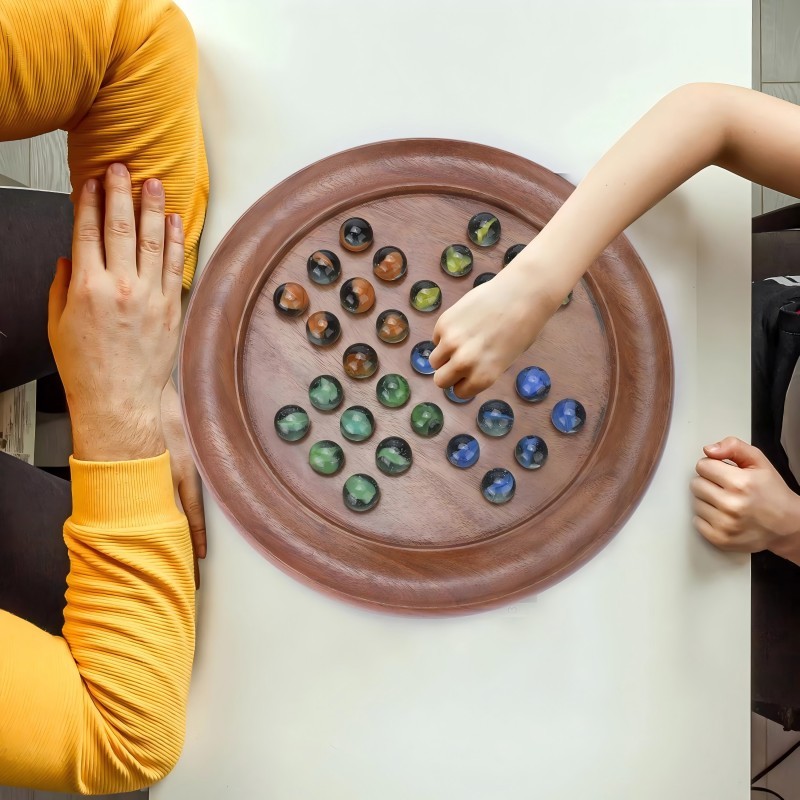
What Are the Traditional Wooden Games?
Long before screens dominated our living rooms, families gathered around handcrafted boards, polished wooden pieces, and simple stacks of blocks to share laughter, strategy, and connection. Traditional wooden games represent one of humanity's oldest and most enduring forms of entertainment — spanning thousands of years, crossing every continent, and bringing generations together around a shared table.
As a wooden toy manufacturer with over 20 years of expertise, FORESTOY has seen firsthand how these classic games continue to captivate children and adults alike. In this comprehensive guide, we'll explore what traditional wooden games are, trace their fascinating histories, break down the developmental benefits they offer, and introduce you to ten timeless classics every family should know about.
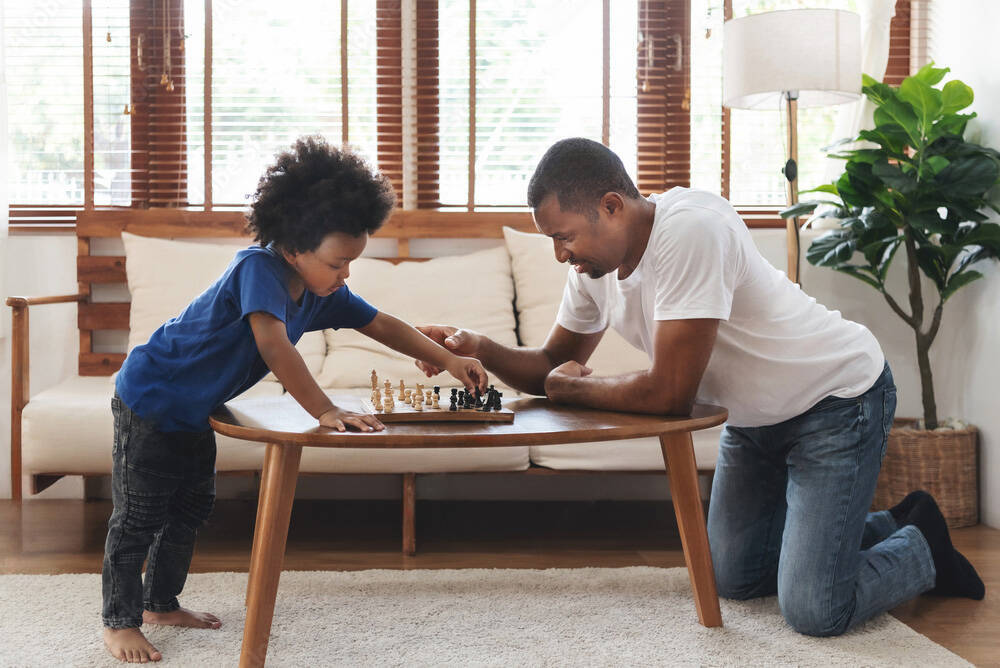
What Are Traditional Wooden Games?
Traditional wooden games are timeless classics that have been enjoyed for generations — sometimes for centuries or even millennia. These games are often simple in design but rich in strategy and fun, bringing families together around a handcrafted board, a pile of blocks, or a set of polished pieces. Unlike their modern plastic counterparts, wooden games carry a tactile warmth and natural beauty that make every session feel special.
What distinguishes traditional wooden games from other types of play? Several key characteristics define the category:
Natural Materials
Crafted from sustainably sourced woods such as beech, pine, maple, and bamboo — materials that are warm to the touch, durable, and environmentally responsible. FORESTOY's commitment to sustainable development ensures every game contributes to a greener future.
Timeless Appeal
Many of these games have been played for hundreds or thousands of years. Their rules have been refined over generations, resulting in gameplay that remains engaging no matter how much the world changes around them.
Skill-Building Design
From strategic planning to fine motor coordination, traditional wooden games naturally develop cognitive and physical abilities. They align closely with the principles of learning through play that educators and child development experts advocate.
Multi-Generational Play
Unlike many age-specific toys, wooden games bridge generational gaps. Grandparents, parents, and children can all enjoy the same game, making them ideal for family gatherings and creating shared memories.
The beauty of traditional wooden games lies in their simplicity. A carved board, a set of polished stones, a stack of precisely cut blocks — these humble components have entertained humanity through wars, plagues, revolutions, and technological upheavals. They remind us that the most meaningful play often requires nothing more than wood, skill, and a willing opponent.
The Benefits of Playing Traditional Wooden Games
Beyond simple entertainment, traditional wooden games offer a remarkable range of developmental and social benefits. Research in child psychology and education consistently highlights the value of board game play for cognitive growth, emotional regulation, and social skill formation. Here's why families, educators, and therapists around the world continue to champion wooden games:
Cognitive Development & Strategic Thinking
Games like chess, mancala, and backgammon require players to think several moves ahead, anticipate opponents' strategies, and adapt their plans in real time. This kind of strategic reasoning strengthens executive function — the brain's command center for planning, focus, and self-control. For younger children, even simple games like tic-tac-toe build foundational logic and pattern recognition skills that transfer to mathematics and science learning.
Social Skills & Family Bonding
Wooden games create natural opportunities for turn-taking, gracious winning and losing, communication, and collaboration. When families gather around a wooden board game, they're not just playing — they're building bonds, sharing stories, and creating traditions that children carry into adulthood. The screen-free, face-to-face nature of these games fosters genuine connection in an increasingly digital world.
Fine Motor Skills & Hand-Eye Coordination
The physical act of moving wooden pieces, stacking blocks, flicking discs, or picking up thin sticks develops precision and dexterity. Games like Jenga and pick-up sticks are particularly effective for refining fine motor control and spatial awareness — skills that support handwriting, tool use, and many other daily activities.
Screen-Free, Mindful Entertainment
In an era where children spend an average of 4 to 6 hours daily on screens, wooden games offer a refreshing alternative. They engage the hands, the eyes, and the mind simultaneously — promoting what child development experts call "deep play," a state of focused engagement that builds attention spans and reduces stress.
Sustainability & Safety
High-quality wooden games are built to last for generations, not minutes. They don't end up in landfills after a single season. FORESTOY's safety and quality standards — including FSC certification, EN71 and ASTM compliance — ensure that every game is as safe for children as it is kind to the planet.
10 Traditional Wooden Games Worth Knowing
From ancient African counting games to modern stacking challenges, here are ten traditional wooden games that have stood the test of time. Each one offers unique gameplay, rich history, and distinct developmental benefits for players of all ages.
Chess
Chess is arguably the most celebrated strategy game in human history. Originating in northern India around the 6th century as "Chaturanga," it spread through Persia, the Arab world, and eventually Europe, evolving into the game we recognize today. Played on a 64-square board with 16 pieces per side — king, queen, rooks, bishops, knights, and pawns — chess demands deep tactical planning, pattern recognition, and the ability to think multiple moves ahead.
A well-crafted wooden chess set elevates the experience immeasurably. The weight of hand-turned pieces, the smooth glide across a polished board, and the natural grain of beech or walnut wood make every game feel like a ceremonial event. For families, chess is an unparalleled tool for developing patience, concentration, and analytical thinking in children.
Checkers (Draughts)
Checkers, known as draughts in many parts of the world, is a simpler, faster-paced strategy game played on the same 64-square board as chess. Players move their pieces diagonally across dark squares, capturing opponents by jumping over them — and reaching the far side of the board to be "crowned" as kings with expanded movement capabilities.
While checkers has a smaller decision tree than chess, it remains a game of surprising depth. Expert players study opening sequences, mid-game sacrifices, and endgame techniques just as rigorously as chess players do. For young children, checkers serves as an ideal introduction to strategy gaming. FORESTOY offers beautiful wooden peg solitaire and checkers sets that combine classic gameplay with premium craftsmanship.
Backgammon
Backgammon is one of the oldest board games known to humanity, with archaeological evidence dating it back nearly 5,000 years to ancient Mesopotamia. It is also one of the most sophisticated, combining deep strategic thinking with the unpredictability of dice rolls. Players move their checkers around a board of 24 triangular points, racing to bear off all their pieces before their opponent does.
What makes backgammon endlessly fascinating is the interplay between skill and chance. Every roll of the dice presents a puzzle: how do you make the most of what fortune gives you? Players must balance aggressive play with defensive positioning, calculate probabilities in real time, and make decisions under uncertainty. A handcrafted wooden backgammon set brings warmth and character to this ancient game.
Dominoes
Dominoes is a tile-based game with origins in 12th-century China, later spreading to Europe and becoming a beloved pastime across Latin America, the Caribbean, and beyond. Each rectangular tile is divided into two halves, marked with arrangements of dots (pips) representing numbers. Players match ends of tiles in chains, scoring points by being the first to play all their tiles or by accumulating the highest pip counts.
The game comes in numerous variations — from the blocking games popular in Europe to the scoring-heavy versions played in Latin American cafes. Wooden dominoes have a satisfying heft and click when placed on the table, and they're durable enough to last for generations. Dominoes is particularly wonderful for developing early math skills in children, as counting pips and matching patterns reinforce number recognition and arithmetic.
Mancala
Mancala is an ancient family of counting-and-strategy games played across Africa, the Middle East, and Asia for over a thousand years. The game uses a board with two rows of small pits and two larger stores at each end, along with small stones, seeds, or beads as playing pieces. Players take turns "sowing" — picking up all the pieces from one pit and distributing them one by one into subsequent pits — and capturing opponents' pieces according to various regional rules.
Despite its simple mechanics, mancala offers remarkable strategic depth. Players must plan several moves ahead, manage their resources carefully, and anticipate their opponent's countermoves. The game is also an exceptional educational tool: it teaches counting, addition, and strategic thinking in a way that feels like pure play. FORESTOY's Folding Wooden Mancala Game brings this ancient classic to modern families in a portable, beautifully crafted format — complete with colorful gemstone pieces and a folding board for easy travel.
Carrom
Carrom is a tabletop game that originated in South Asia, where it remains wildly popular. Played on a smooth wooden board with corner pockets, players use their fingers to flick small wooden discs (carrom men) into the pockets — similar to billiards but without cues. The objective is to sink all of one's assigned pieces (usually nine of a single color) plus the red "queen" piece before the opponent does.
Carrom demands a combination of precise finger dexterity, angle calculation, and tactical shot selection. It's an excellent game for developing fine motor skills and hand-eye coordination in children, while also providing plenty of excitement for adult players. The smooth, polished wooden board and satisfying "click" of discs hitting each other make carrom a sensory delight. Explore more wooden games beyond traditional boards in FORESTOY's diverse collection.
Jenga
Jenga is a stacking game where players take turns removing wooden blocks from a tower and placing them on top — all without toppling the increasingly unstable structure. Created by Leslie Scott in the early 1980s and inspired by her childhood experiences with wooden building blocks, Jenga has become one of the most recognizable games in the world.
What makes Jenga so compelling is the tension. With each turn, the tower grows taller and more precarious. Players must assess which blocks are safe to remove, execute delicate extractions, and place their blocks with absolute precision. The game teaches patience, steady hands, and the ability to remain calm under pressure — while providing edge-of-your-seat excitement for everyone watching.
Nine Men's Morris
Nine Men's Morris is a classic strategy game with roots stretching back to the Roman Empire — ancient boards have been found carved into temple rooftops and stone slabs across Europe. Played on a board of three concentric squares connected by lines, each player has nine pieces that they place on intersections in the first phase, then move along lines in the second phase. Forming a "mill" — a row of three pieces on a single line — allows a player to remove one of the opponent's pieces.
The game unfolds in three distinct phases — placement, movement, and a late-stage "flying" phase where pieces can jump to any open intersection. This progression keeps the strategic landscape constantly evolving, requiring players to shift their thinking from positional setup to tactical maneuvering to endgame efficiency.
Pick-Up Sticks
Pick-Up Sticks is a deceptively simple game where a bundle of thin wooden sticks is dropped onto a table, creating a tangled pile. Players then take turns removing one stick at a time without disturbing any of the others. Each stick is typically color-coded and assigned a point value, with the player accumulating the most points when the pile is fully dismantled declared the winner.
While it may seem like a game of pure luck, skilled players develop a keen eye for tension and stability — identifying which sticks are load-bearing and which can be safely slid out. Pick-up sticks is particularly excellent for young children, as it develops fine motor control, patience, and observational skills. This game pairs wonderfully with educational wooden toys that develop similar skills through different play modes.
Tic-Tac-Toe (Noughts and Crosses)
Tic-Tac-Toe is one of the simplest strategy games ever devised — and one of the most universal. Played on a 3x3 grid, two players take turns placing their marks (Xs and Os) in empty squares, racing to form a line of three before their opponent does. While the game is easily solved with optimal play always resulting in a draw, it remains a beloved first strategy game for young children around the world.
What makes tic-tac-toe special in its wooden form is durability and aesthetic appeal. A wooden ladybug tic-tac-toe set transforms the humble grid into a decorative piece that looks beautiful on a coffee table, and the physical act of placing carved wooden pieces is far more satisfying than scribbling on paper. For those seeking a more challenging variant, FORESTOY's Wooden 3D Tic-Tac-Toe Game elevates the concept into three dimensions — with stackable, rotatable pieces that create multi-level winning possibilities and dramatically increase strategic complexity.
These ten games highlight the versatility and enduring charm of wooden games, offering fun and skill-building for players of all ages. Whether you're drawn to the ancient wisdom of mancala, the structural tension of Jenga, or the refined strategy of chess, there's a traditional wooden game waiting to become a treasured part of your family's playtime routine.

FORESTOY's handcrafted wooden games collection — each piece designed to nurture cognitive, social, and physical growth through play.
How Wooden Games Support Child Development
The developmental benefits of traditional wooden games extend far beyond simple entertainment. Decades of research in developmental psychology, neuroscience, and education have demonstrated that board game play is one of the most effective vehicles for holistic child development. The concept of learning through play — central to Montessori, Reggio Emilia, and other respected educational philosophies — finds its purest expression in the strategic, social, and tactile experience of wooden games.
When children sit down with a wooden game, they're not just passing time — they're exercising multiple developmental domains simultaneously. The tactile warmth of natural wood engages sensory pathways; the rules and strategy stimulate executive function; the social dynamics of turn-taking build emotional intelligence. Whether it's the concentration required to extract a Jenga block, the counting practice inherent in a game of mancala, or the spatial reasoning demanded by a wooden strategy game, every moment of play delivers measurable developmental value.
Intellectual Development
Strategy games exercise working memory, logical reasoning, and executive function. Children learn to plan ahead, evaluate options, and understand cause-and-effect relationships — foundational skills for STEM learning.
Emotional & Social Development
Games teach emotional regulation: how to win gracefully, lose gracefully, and handle frustration. They also build social skills through turn-taking, rule-following, communication, and shared experience.
Physical Development
Picking up small pieces, stacking blocks, and flicking discs develop fine motor coordination, pincer grasp, and hand strength — skills essential for writing, drawing, and tool use.
Language Development
Game play naturally generates conversation — discussing strategies, negotiating rules, telling stories. This rich verbal interaction builds vocabulary, expressive language, and communication confidence.
For families seeking to maximize these developmental benefits, pairing wooden games with educational wooden toys creates a comprehensive play-based learning environment that supports growth across all developmental domains simultaneously.
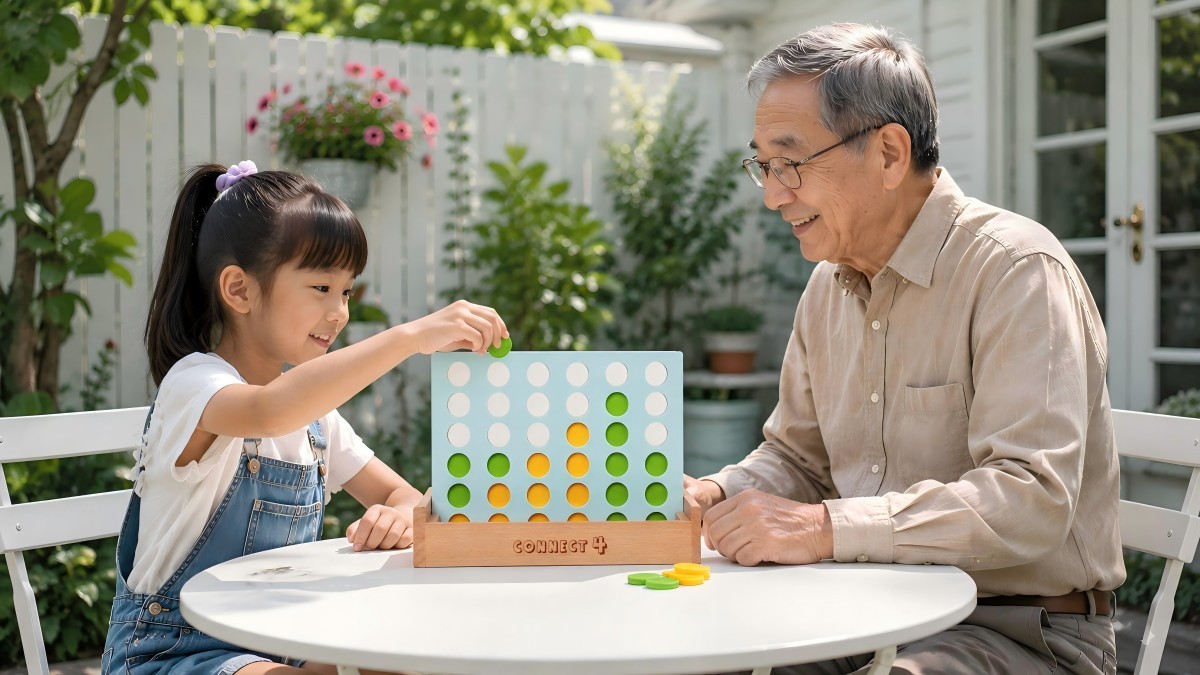
The Wooden 4-in-a-Row game — a timeless classic that scales effortlessly from preschoolers to grandparents.
Choosing the Right Wooden Game for Your Family
Selecting the ideal wooden game depends on several factors: the ages of your players, the size of your group, the complexity you're comfortable with, and the specific developmental skills you'd like to encourage. Here's a practical guide to help you choose:
For Young Children (Ages 3 to 6)
At this age, focus on games with simple rules, short play times, and strong visual/tactile elements. Themed tic-tac-toe sets with colorful, character-based pieces are perfect introductions to strategy. Color pegboards and simple stacking games also build the fine motor and pattern recognition skills that prepare children for more complex games later. For cooperative play, wooden connect four offers just the right balance of strategy and simplicity.
For School-Age Children (Ages 6 to 12)
This is the golden age for introducing strategy games. Snakes and Ladders teaches counting and probability. Ludo introduces tactical decision-making. Mancala develops resource management and multi-step planning. And solitaire games build independent problem-solving skills.
For Teens & Adults (Ages 12+)
Older players can handle the full complexity of chess, backgammon, Nine Men's Morris, and other deep strategy games. Target shuffleboard and 4-in-a-Row offer faster-paced excitement that keeps game night dynamic and competitive.
For Mixed-Age Groups
When players span multiple age ranges, choose games that scale well — where younger players can participate at their level while older players engage with deeper strategy. Jenga, pick-up sticks, and connect four are excellent mixed-age options because the physical skill component levels the playing field regardless of age or experience.
For Travel & On-the-Go
Folding and portable game designs make it easy to bring the fun anywhere. FORESTOY's folding mancala board slips into a bag, while compact sets like the 3D tic-tac-toe fit easily in a backpack for road trips or restaurant waits.
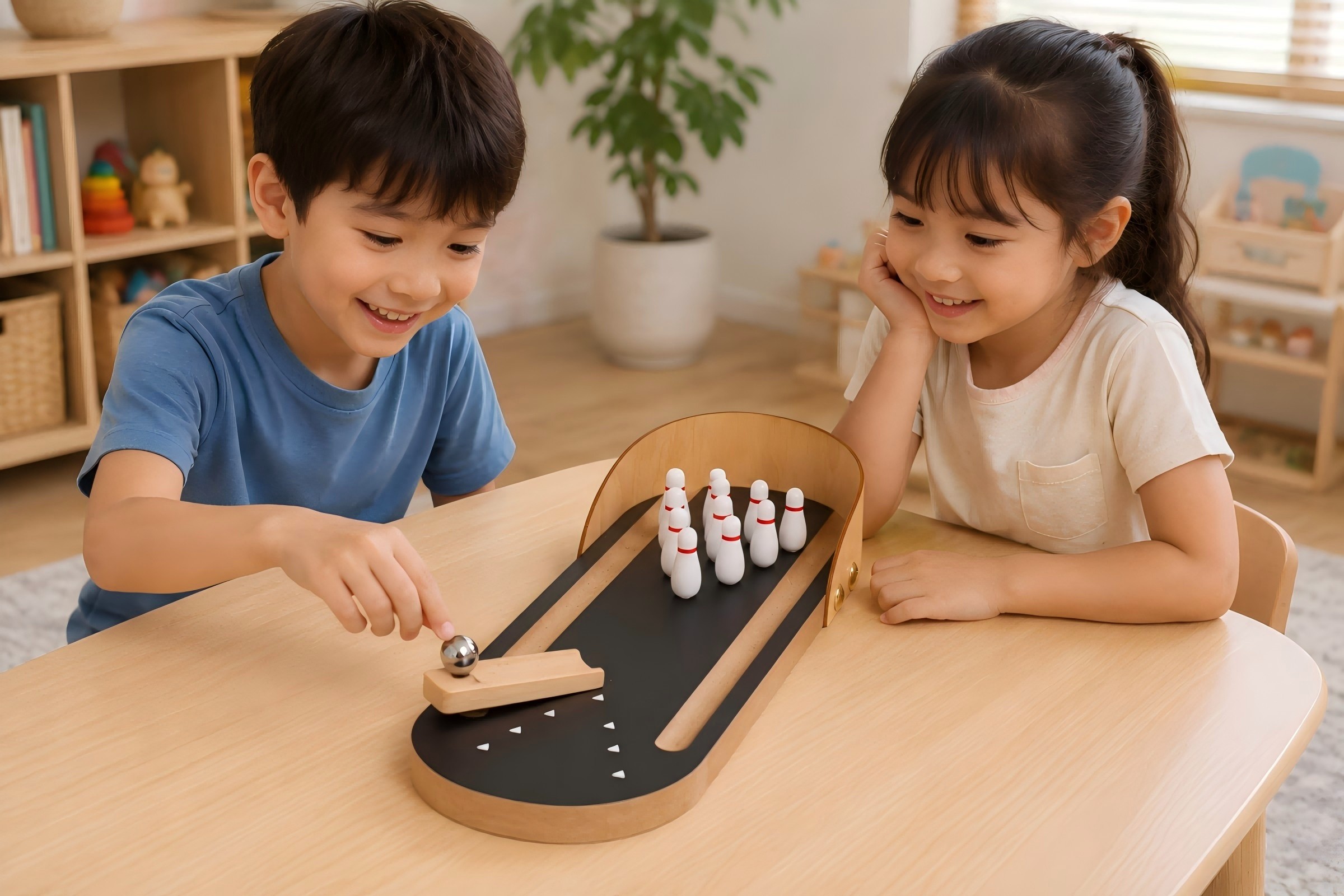
Why FORESTOY Is Your Trusted Partner for Wooden Games
Not all wooden games are created equal. The quality of materials, precision of craftsmanship, and safety of finishes determine whether a game becomes a treasured family heirloom or a forgettable purchase. Since 2003, FORESTOY (Green Forest Toys & Gifts Co., Ltd.) has dedicated itself to creating premium, sustainable, and safe wooden toys that families and brands around the world trust.
20+ Years of Manufacturing Excellence
With over two decades of experience in wooden toy design and manufacturing, FORESTOY has developed deep expertise in every aspect of production — from material selection and safety engineering to surface finishing and packaging design. Our manufacturing capabilities include 1500+ product SKUs, a monthly capacity of 200,000 pieces, and an annual output of 100+ new designs. We serve over 100 renowned global brands across Europe, North America, and Australia.
FSC Certified & Sustainably Sourced
Every piece of wood we use comes from responsibly managed forests certified by the Forest Stewardship Council (FSC certification number: FSCTMC131173). When you choose a FORESTOY wooden game, you're not only investing in your family's playtime — you're supporting sustainable forestry practices that protect our planet. Learn more about our commitment to sustainability.
Rigorous Safety & Quality Standards
Children's safety is our highest priority. All FORESTOY products undergo comprehensive testing and comply with the world's most stringent safety standards, including EN71 (European Toy Safety Directive), ASTM F963 (U.S. Consumer Product Safety Standard), AS/NZS ISO 8124 (Australian/New Zealand), SOR (Canadian), and BSCI (Social Responsibility). Our quality control system covers every stage from raw material inspection to final product testing.
Full OEM/ODM Customization
Whether you're a brand owner, supermarket chain, e-commerce seller, or wholesaler, FORESTOY offers comprehensive custom wooden toy solutions tailored to your needs. Our services include brand-specific product design, custom packaging, material and color customization, private label production, free product photography, and full quality control support.
From initial inquiry through design confirmation, sample development, bulk production, and final inspection, our streamlined process ensures reliable delivery within 45 to 60 days for bulk orders and 7 to 15 days for samples. With a 99% customer satisfaction rate and a response time of 12 hours or less, we're committed to being a partner you can depend on.
Let's Build Something Timeless Together
Whether you're looking to stock your shelves with timeless classics, develop a custom-branded wooden game line, or source premium educational toys for your market, FORESTOY is here to help. With 20+ years of manufacturing expertise, FSC-certified materials, and a proven track record with 100+ global brands, we provide the quality, reliability, and customization flexibility your business needs to succeed.
Talk to our toy experts today for a free consultation, custom product development, or a comprehensive product brochure. Explore our full range of wooden games, browse our wooden board game collection, discover our pretend play toys, or learn more about FORESTOY — your trusted partner in sustainable wooden play since 2003. Contact us or send an inquiry to get started.