What Makes Wooden Toys Different from Plastic Toys?
- Share
- publisher
- Forestoys
- Issue Time
- May 19,2026
Summary
Based on professional research findings in the field of early childhood education, we can gain a clearer understanding of the unique role of wooden toys compared to plastic toys in the development of young children.
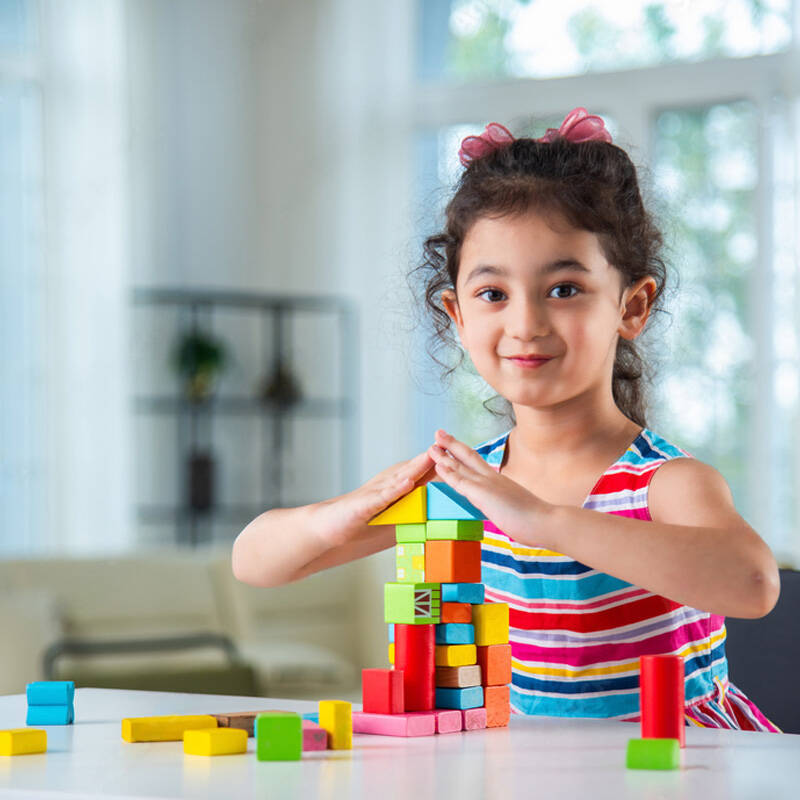
What Makes Wooden Toys Different from Plastic Toys?
Unlike many electronic or highly structured plastic toys, wooden toys are typically:
* simpler in design
* open-ended in function
* tactile and sensory-rich
* durable and long-lasting
This simplicity is important.
Research consistently shows that children often engage in more imaginative and cognitively complex play when using less prescriptive toys.
❉Related reading:
1. Wooden Toys Encourage Cognitive Development
The American Academy of Pediatrics emphasizes that toys should help children develop:
* problem-solving abilities
* spatial reasoning
* symbolic thinking
* memory and sequencing skills
❉ Research Source:
Wooden toys naturally support these developmental areas because they require children to:
--experiment
--build
--balance
--compare
--imagine outcomes
For example:
--Wooden blocks support spatial intelligence
--Wooden puzzles improve logical thinking
--Sorting toys encourage categorization skills
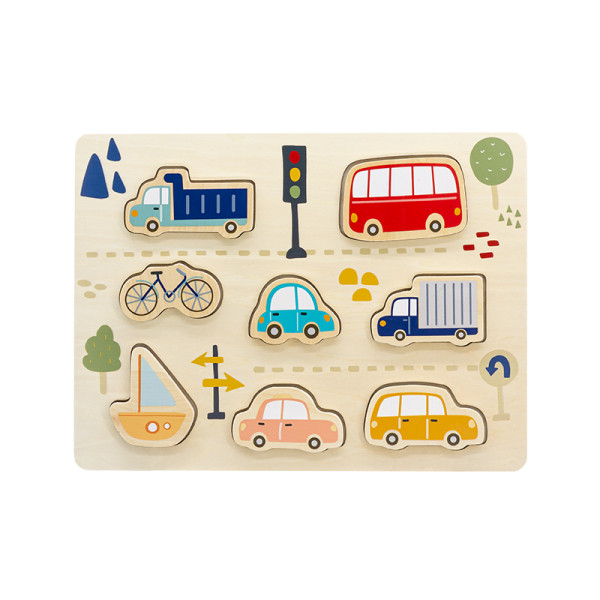
Wooden Transportation Puzzle– 29×21cm chunky wooden board with 12 farm pieces including barn, animals and tractor.
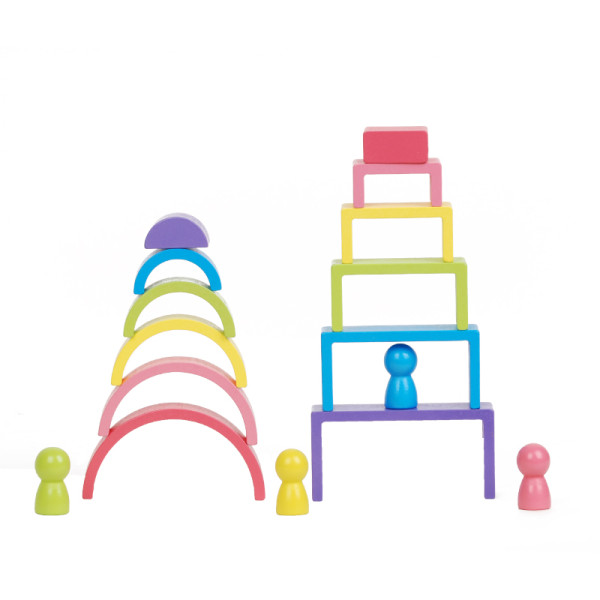
Vibrant wooden blocks for stacking, nesting, and imaginative play. Enhances creativity, coordination.
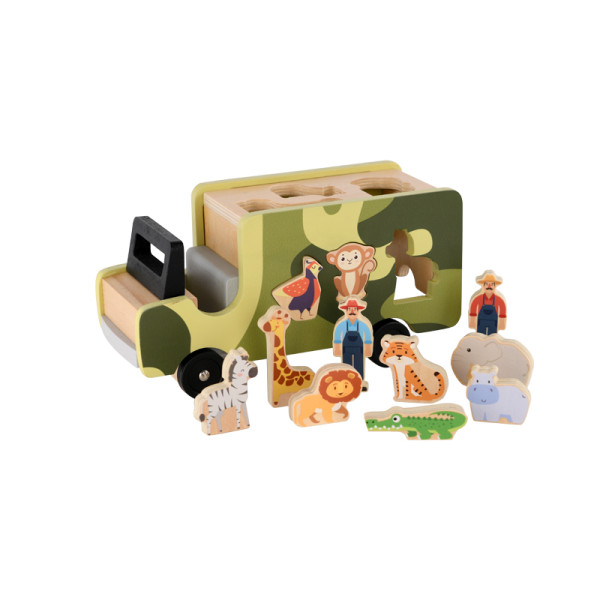
Wooden Safari Shape Sorter Truck, 23.5cm x 12cm x 10cm, educational animal puzzle for toddlers, shape matching fun, OEM.
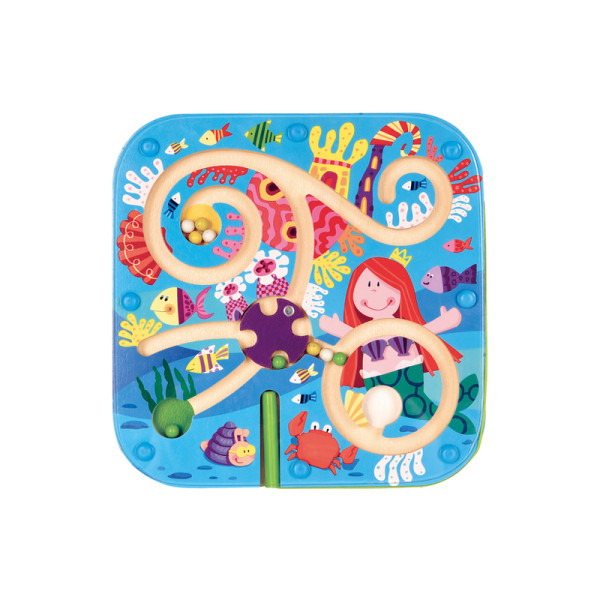
Explore the Magnetic Maze - a wooden toy with pirate & mermaid themes for toddler motor skills. Customize themes/colors!
2. Open-Ended Wooden Toys Improve Creativity and Imagination
One of the biggest advantages of wooden toys is that they rarely dictate a single “correct“ way to play.
A wooden block can become:
* a castle
* a bridge
* a car
* an animal
* part of an imaginary city
This type of flexible play is strongly associated with:
--creative thinking
--storytelling ability
--innovation skills
--cognitive flexibility
Harvard-affiliated pediatric guidance highlights that children benefit most from toys that encourage imagination rather than passive entertainment.
❉ Source:
3. Wooden Toys Strengthen Fine Motor Skills
Many wooden toys require children to:
* stack
* grasp
* rotate
* fit pieces together
* balance objects carefully
These activities improve:
--hand-eye coordination
--finger dexterity
--grip strength
--motor planning
Compared to many electronic toys that rely mainly on button pressing, wooden toys often involve more active physical manipulation.
Examples include:
--stacking toys
--lacing toys
--wooden construction sets
--balancing games
4. Natural Materials Enhance Sensory Development
Sensory development is a major focus in early childhood education.
Wooden toys provide:
* natural textures
* varied temperatures
* realistic weight
* tactile resistance
Occupational therapists often note that "heavy work" sensory input helps children develop:
--body awareness
--proprioception
--sensory integration
Unlike lightweight plastic, wood provides richer tactile feedback that can improve sensory learning experiences.
❉ Research overview:
5. Montessori Education Strongly Supports Wooden Toys
Montessori education emphasizes:
* independent learning
* hands-on exploration
* natural materials
* concentration through simplicity
That is why most Montessori classrooms heavily use:
--wooden blocks
--wooden practical life tools
--wooden counting toys
--natural manipulatives
Montessori experts believe children learn better when materials are:
* realistic
* tactile
* calm and non-overstimulating
❉ Montessori-aligned educational reference:
❉ Related reading:
6. Wooden Toys Support Longer Attention Spans
Many modern toys contain:
* flashing lights
* automatic sounds
* rapid-response electronics
While entertaining, overstimulation can shorten attention cycles and reduce deep engagement.
The AAP warns that highly electronic toys may reduce:
-- caregiver interaction
-- language-rich play
-- sustained concentration
❉ Source:
Wooden toys encourage children to slow down and engage more deeply in:
-- imaginative play
-- construction play
-- problem-solving tasks
7. Wooden Toys Encourage Social and Emotional Learning
Wooden toys are often ideal for:
* cooperative play
* role-play scenarios
* storytelling activities
These interactions help children develop:
-- empathy
-- communication skills
-- patience
-- teamwork
For example:
--pretend kitchens encourage social interaction
--dollhouses support emotional storytelling
--wooden train sets encourage collaborative building
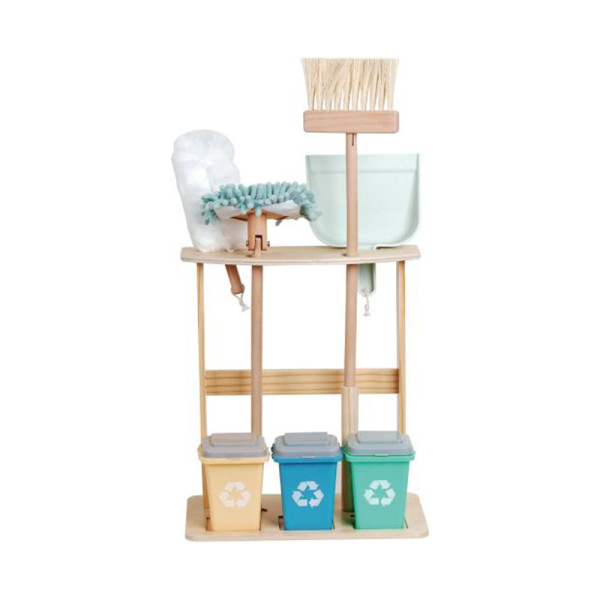
This wooden clean set toys kit is perfect for kids to learn pretend play and environmental responsibility.
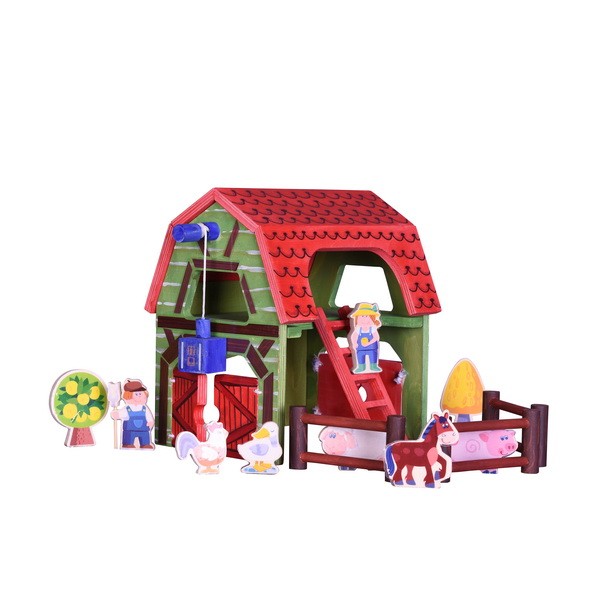
Forestoy Wooden Farm Barn Toy Set, interactive toy with animals and figures for toddlers, promotes learning and play, OEM.
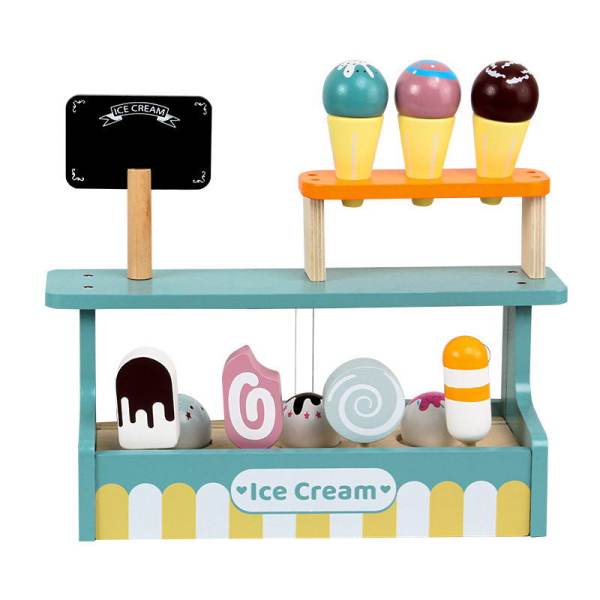
Wooden Ice Cream Shop with Accessories, Safe Wooden Construction: Crafted from high-quality wood.
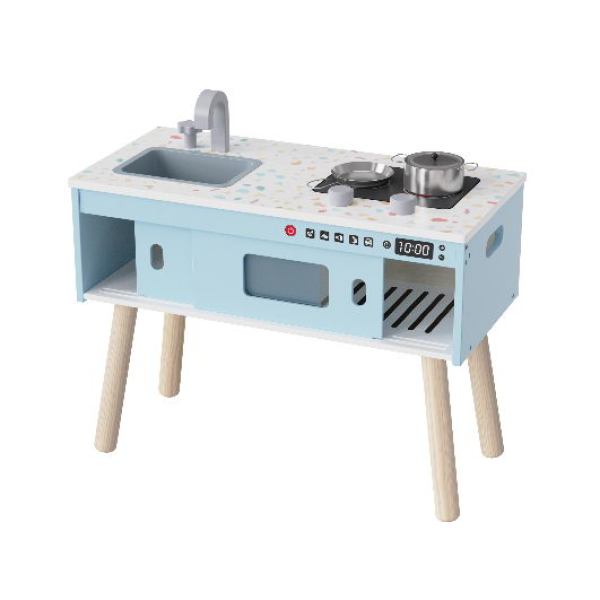
Height Adjustable Kitchen Toy, Includes shorter legs for tabletop, height adjustable.
8. Sustainable Wooden Toys Teach Environmental Awareness
Sustainability is increasingly important for modern parents and educators.
High-quality wooden toys are often:
* biodegradable
* recyclable
* longer lasting than plastic toys
* made from renewable materials
Choosing sustainable toys can also introduce children to:
-- environmental responsibility
-- appreciation for natural materials
-- mindful consumption habits
At Forestoy Official Website, sustainability and responsible wooden toy manufacturing remain key priorities.
9. High-Quality Wooden Toys Can Offer Excellent Safety Benefits
Well-manufactured wooden toys are valued for:
* strong durability
* fewer electronic hazards
* reduced risk of battery leakage
* lower likelihood of sharp breakage
However, safety depends heavily on manufacturing standards.
Parents and importers should always ensure compliance with:
--EN71 toy safety standards
--ASTM F963
--CPSIA regulations
❉ Related reading:
10.Experts Agree: The Best Toys Are the Ones That Encourage Active Play
An important point from developmental experts is this:
The educational value of a toy depends more on how children interact with it than the material alone.
Wooden toys are not“magically educational,"but they naturally support:
* active engagement
* exploration
* creativity
* hands-on learning
That is why they continue to be recommended by:
--pediatricians
--Montessori educators
--occupational therapists
--early childhood specialists
Wooden vs Plastic Toys: Developmental Impact Comparison
Development Area | Wooden Toys | Plastic Toys | Academic / Expert References |
| Cognitive Development | Promote open-ended problem solving, spatial reasoning, and imaginative thinking due to simple design and lack of fixed function | Often more structured (buttons, lights, sounds), which can limit exploratory thinking but may support cause-effect learning | American Academy of Pediatrics (AAP) highlights open-ended play as critical for executive function development
|
| Creativity& Imagination | Strongly supports creativity; children assign multiple meanings and uses (e.g., blocks become cars, buildings, animals) | More prescriptive play patterns due to electronic features or defined functions | University of Toledo early childhood play research shows simpler toys lead to more creative and sustained engagement |
| Attention Span & Focus | Encourages longer, deeper engagement due to low sensory overload and fewer distractions
| Can shorten attention cycles due to high stimulation (lights, sounds, rapid feedback loops)
| AAP warns that overstimulation may reduce sustained attention development in early childhood
|
Language Development | Promotes caregiver-child interaction and storytelling during play | Often reduces interaction when toys are self-operating or electronic | Harvard-affiliated pediatric learning commentary emphasizes caregiver interaction as key for language acquisition |
Fine Motor Skills | Strong development through stacking, balancing, fitting, and tactile manipulation
| Also supports motor skills but often relies more on pressing buttons than manipulation
| Early Childhood Education Journal: hands-on manipulatives improve dexterity and hand-eye coordination
|
Sensory Development | Rich tactile feedback (texture, weight, temperature) enhances sensory integration
| Smooth, uniform texture; less sensory variation but sometimes includes auditory/visual stimulation
| Occupational therapy literature supports “heavy work” sensory input for proprioceptive development
|
Social & Emotional Skills | Encourages cooperative play, role-play, and negotiation
| Can be more individual and screen-like; some toys limit social interaction
| AAP emphasizes unstructured play for emotional regulation and social learning |
Executive Function (Planning & Self-Control) | Strong support due to open-ended structure requiring planning and imagination | Moderate support depending on toy complexity; electronic toys may reduce need for planning | Research in developmental psychology links open-ended play with improved executive function skills
|
Safety Profile | Typically fewer electronic components; low risk of battery/overheating issues; depends on finish quality | May contain small parts, batteries, or electronic components; requires stricter safety compliance | EU Toy Safety Directive & U.S. CPSIA standards regulate both categories
|
Durability & Longevity | Highly durable, often lasting years or generations | More prone to breakage or electronic failure | Consumer product studies show wood has higher lifecycle durability than plastic in toy category |
Environmental Impact | Biodegradable, renewable resource (if responsibly sourced)
| Derived from petroleum-based materials; contributes to long-term plastic waste
| UNEP reports on plastic lifecycle impact and sustainability concerns |
Learning Style Fit | Best for Montessori, Waldorf, and open-ended experiential learning approaches | Often aligned with STEM-style cause-effect learning and gamified education tools | Montessori education research emphasizes natural materials for sensory-based learning |
Expert & Academic References
About Forestoy
Forestoy specializes in high-quality wooden toys designed for:
* educational value
* safety compliance
* OEM & ODM customization
* sustainable manufacturing
With years of experience in the wooden toy industry, Forestoy supports global brands, retailers, and educational organizations seeking reliable wooden toy manufacturing solutions.