MOQ, Sample Fees & Mold Ownership: How Custom Wooden Toy Pricing Really Works
- Share
- publisher
- Forestoy
- Issue Time
- Nov 3,2026
Summary
How much does a custom wooden toy really cost? This guide breaks down MOQ, sample fees, tooling charges and mold ownership, shows how setup costs and one-time development fees affect the effective unit cost, and explains how Forestoy supports OEM/ODM buyers with transparent itemized quotations, prototype validation, in-house testing and clearly documented IP arrangements.
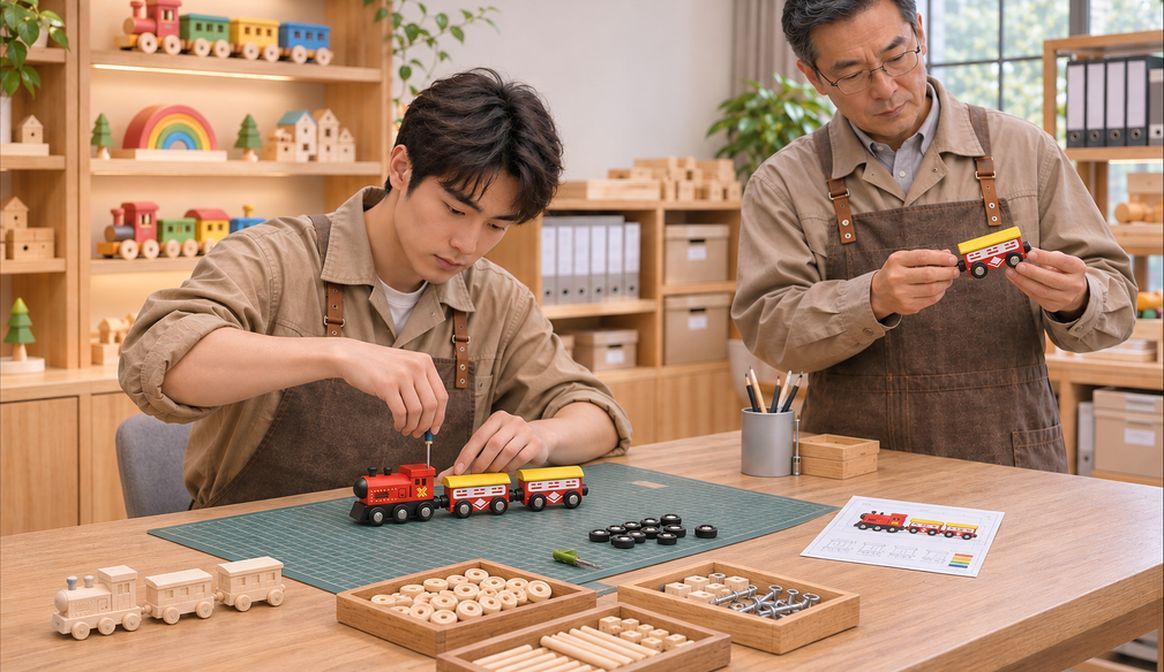
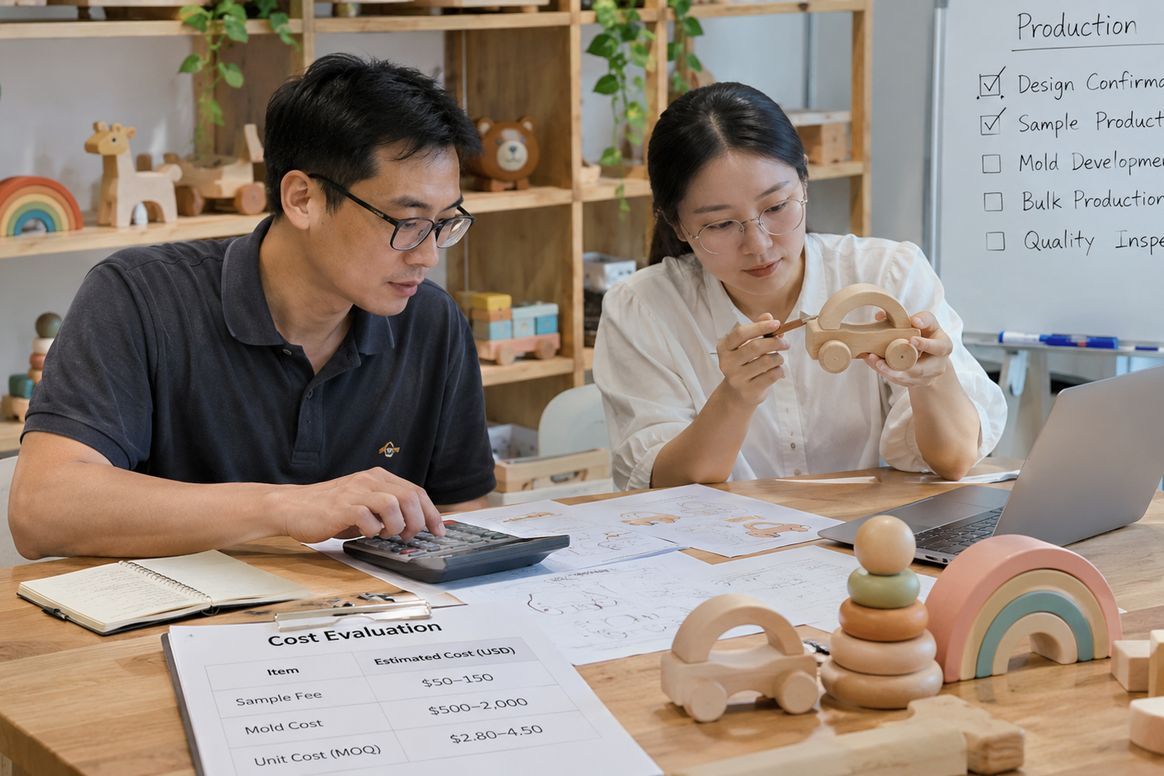
When sourcing custom wooden toys from China, the lowest unit price does not always mean the best deal. For toy brands, importers, and distributors, understanding minimum order quantities (MOQ), sample fees, tooling costs, and design ownership is essential to managing development budgets and avoiding unexpected expenses. With over 20 years of wooden toy manufacturing experience, Forestoy helps international buyers turn product ideas into commercially viable, production-ready toys. MOQ refers to the minimum number of units a manufacturer can economically produce in one order. At Forestoy, the typical MOQ for customized wooden toys is 1,000–2,000 sets, depending on product complexity, materials, finishing requirements, and packaging. Manufacturers must spread fixed setup costs across the production quantity, including machine preparation, paint mixing, packaging printing, and quality inspections. For example, if production setup costs $600: Illustrative calculation only; not a Forestoy quotation. Higher quantities generally reduce setup cost per unit, although actual pricing also depends on materials, labor, and production efficiency. Buyer tip: Ask whether multiple SKUs can share materials, components, or packaging specifications to improve cost efficiency. Explore Forestoy's wooden toy manufacturing capabilities to understand how production planning affects pricing. Sample fees cover much more than the materials used to make one toy. A custom prototype may require: At Forestoy, prototype development typically takes 7–15 days, depending on design complexity and material availability. Sample fees are quoted individually based on actual development work. Courier charges are normally paid by the buyer. For some projects, sample fees may be credited against future production orders, subject to written agreement. Our custom wooden toy design and development services help buyers identify structural and manufacturing risks before mass production. These three charges serve different purposes and should be clearly separated in every OEM wooden toy quotation. Unlike injection-molded plastic toys, many wooden toys use CNC machining, laser cutting, drilling fixtures, or cutting dies rather than expensive injection molds. This can reduce initial tooling investment for certain designs, but complex structures or specialized components may still require dedicated tooling. Buyer tip: Request an itemized quotation separating one-time development costs from recurring production costs. Paying a tooling fee does not automatically mean the buyer owns the mold, fixture, or intellectual property. Ownership depends on the contract. Before approving development, clarify: For OEM projects, buyers typically provide their own designs. ODM projects may involve manufacturer-developed designs and different intellectual property arrangements. Forestoy accepts non-disclosure agreements (NDAs) to help protect confidential product information. However, design ownership, tooling rights, and file transfer terms should always be confirmed in writing. A competitive quotation should reflect the total cost of bringing a product to market—not just its factory unit price. Consider this simplified example for a 1,000-set order: Hypothetical figures for cost planning; not Forestoy's actual prices. The effective cost per unit is $6.20 rather than the quoted $5.00. Freight, import duties, and other applicable costs would increase the landed cost further. This is why experienced buyers compare total project cost, not unit prices alone. ISO 9001:2015 Clause 8.4 addresses control of externally provided processes, products, and services; clear supplier requirements and verification help reduce sourcing risks. See ISO 9001:2015. Since 2003, Forestoy has supported global toy brands with product development, prototyping, manufacturing, and quality control. Simplifying structures and improving material utilization. Identifying design and safety issues before mass production. Optimizing machining, finishing, and assembly processes. In-house preliminary testing and coordination of independent laboratory assessments. Balancing protection, presentation, and shipping efficiency. Whether developing custom wooden games or launching a private-label wooden toy collection, Forestoy helps buyers balance quality, manufacturing feasibility, and commercial objectives. Planning a new wooden toy collection? Know your costs before committing to production. Forestoy provides OEM/ODM support for toy brands, importers, retailers, and distributors seeking reliable manufacturing solutions in China. Share your product drawings, target quantity, intended market, and packaging requirements. Our team can help evaluate MOQ, sample fees, tooling requirements, ownership arrangements, manufacturing feasibility, testing, and packaging. Contact Forestoy to Request a Custom Quotation and Free Product Catalog1. What Is a Reasonable MOQ for Custom Wooden Toys?
Order quantity Setup cost per unit 500 sets $1.20 1,000 sets $0.60 2,000 sets $0.30 2. How Much Does a Wooden Toy Sample Cost?
3. Sample Fees vs. Tooling Fees vs. Unit Price
Cost category What it covers When it applies Sample fee Prototype materials, labor, and development Before production Tooling fee Cutting dies, molds, fixtures, or specialized tools When custom tooling is needed Unit price Materials, production, finishing, assembly, and agreed packaging Mass production 4. Who Owns the Mold and Design Files?
5. How to Calculate the Real Cost of a Custom Wooden Toy
Cost item Illustrative amount Unit price × 1,000 $5,000 Prototype development $200 Custom tooling $400 Third-party testing $600 Total before freight and duties $6,200 Effective cost per unit $6.20 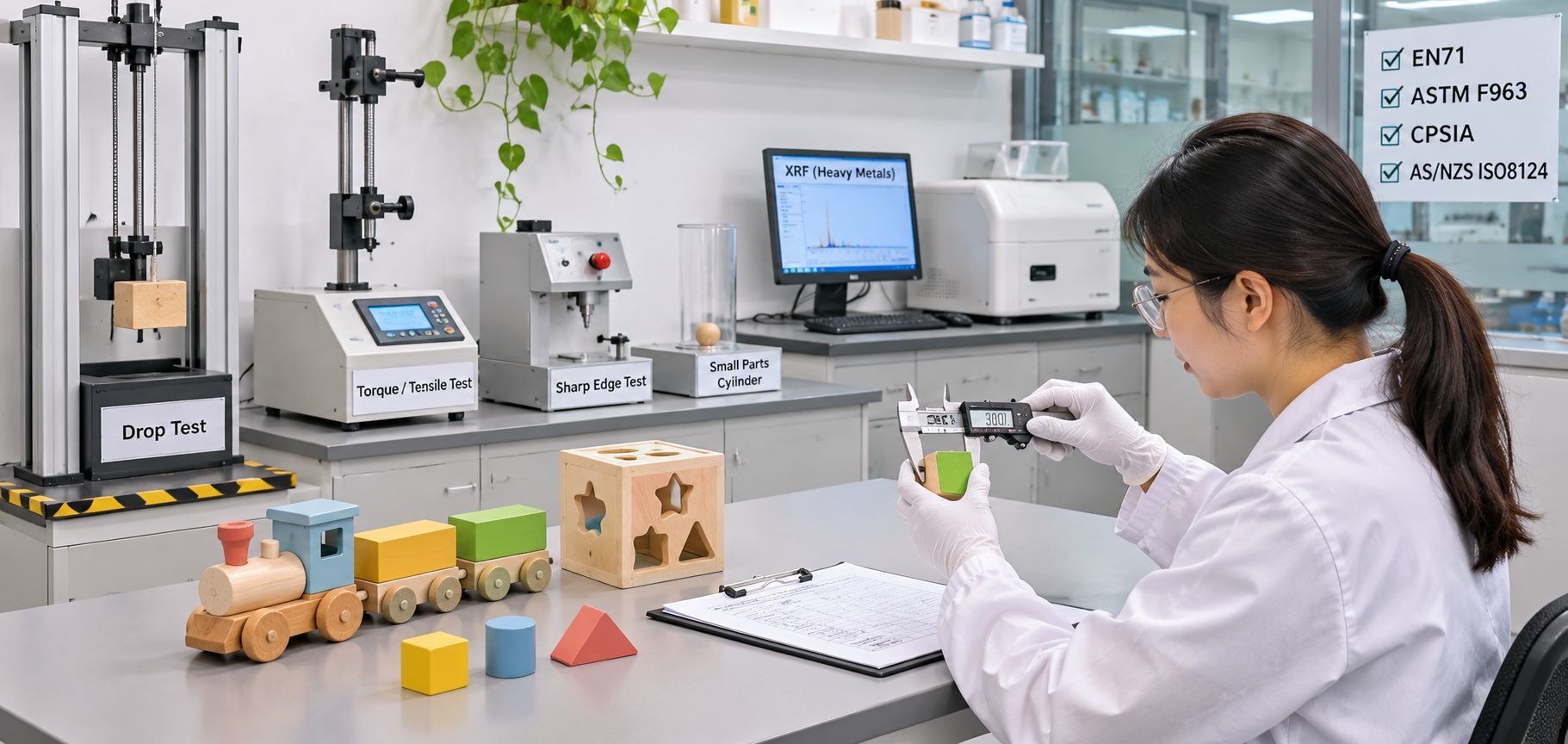
6. How Forestoy Helps Buyers Control Development Costs
Design for manufacturing
Prototype validation
Production planning
Quality assurance
Packaging optimization
Get a Transparent Custom Wooden Toy Quotation from Forestoy