How to Compare Wooden Toy Suppliers in China: Price, MOQ, Quality and Lead Time
- Share
- publisher
- Forestoy
- Issue Time
- Nov 4,2026
Summary
A B2B evaluation framework for comparing wooden toy suppliers in China: why the cheapest quote is rarely the best, 10 comparison factors from quality and EN 71 compliance to MOQ, pricing structure and lead time, a weighted supplier scorecard, six deal-breaking red flags, and what a well-qualified supplier profile looks like — benchmarked against Forestoy's 20+ years of wooden toy manufacturing for 100+ global brands.
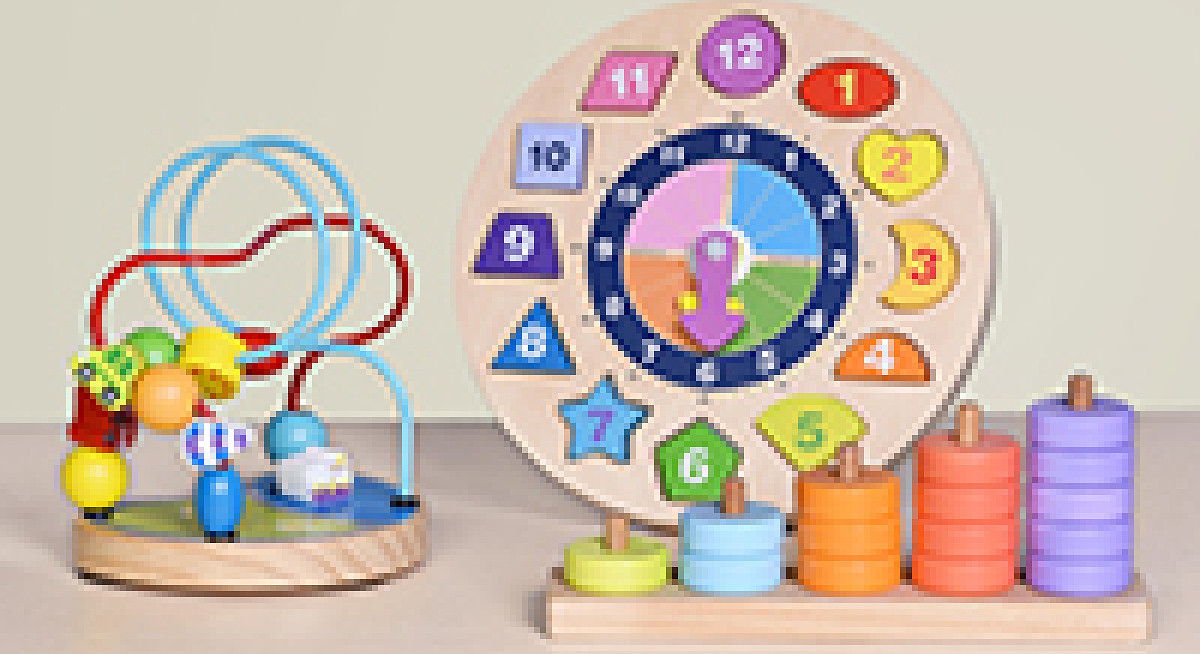
Most sourcing managers do not struggle to find wooden toy suppliers in China. They struggle to compare them. Two quotes land in your inbox, one is 20 percent cheaper, and nothing on either document explains why. This guide gives you the same evaluation framework professional buyers use: ten comparison factors, a weighted scorecard, and the red flags that should end a supplier conversation before you pay a deposit.
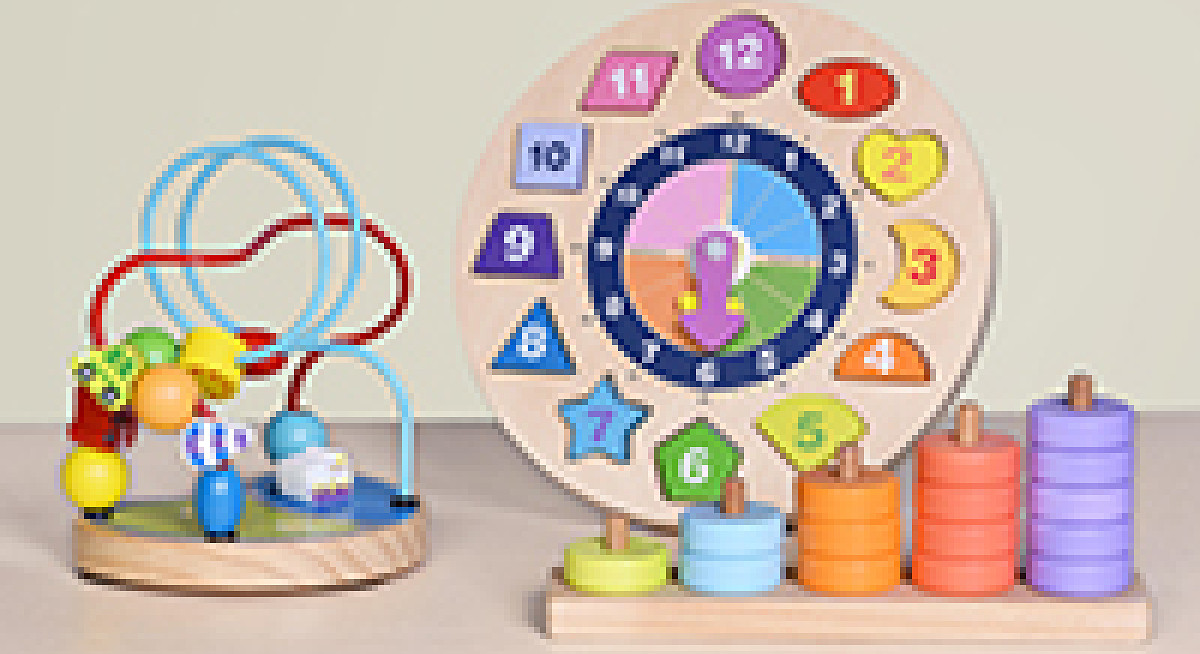
Why the Cheapest Wooden Toy Supplier May Not Be the Best Choice
China remains the center of gravity for global toy production, and industry estimates consistently place its share of worldwide toy exports at roughly 70 percent. Statista values the global toys and games market above USD 100 billion, and wooden toys have taken a growing slice of it as retailers respond to plastic-reduction mandates and parent preference for natural materials. Scale like that produces hundreds of potential wooden toy suppliers China listings on every B2B directory — and a wide spread in what those suppliers actually mean by "quotation".
In wooden toys, a price gap is rarely a mystery. It is a signal. When one supplier quotes 20 percent lower, the difference almost always traces back to one of five places:
- Material substitution. Paulownia or low-grade rubberwood quoted where the specification said beech or FSC-certified hardwood — a 15 to 30 percent material cost swing that also changes durability and the compliance story you tell retail buyers.
- Thinner finishing. Solvent-based coatings instead of water-based, EN 71-3 compliant paints, applied in fewer coats.
- Skipped testing. No batch-level test reports, no pre-shipment inspection, no traceability if a retailer asks questions later.
- Under-resourced production. The order that wins on unit price is often the one scheduled behind three other orders in the peak season.
- Hidden costs. Higher defect rates, slow engineering responses, and re-quotes after the deposit has cleared.
Toys have been the most frequently notified product category in the EU Safety Gate alert system for years, and small-part and sharp-edge failures dominate those alerts. A recall costs an order of magnitude more than the unit-price saving that caused it — which is why the first question in any supplier comparison should be: what is excluded from this price?
10 Factors for Comparing Wooden Toy Suppliers
Work through these ten factors with evidence rather than sales claims. Each one maps to a document you can request before you commit.
1. Product Quality
Ask for physical samples of two or three items currently in production, not showroom pieces. Check joinery tightness, edge radius (rounded to at least R2 on exposed edges), coating uniformity, and how moving parts feel after repeated cycles. Then ask for the factory's internal defect data: an AQL 2.5 major-defect acceptance level is the export standard, and internal first-pass yields above 98 percent indicate a mature process. If you cannot travel, commission a third-party audit or request a live video walkthrough of the production floor — ours is documented in detail on the wooden toy manufacturing capacity page.
2. Material Specifications
Two quotes are only comparable when they describe the same material bill. A professional wooden toy supplier China quote should state wood species and grade, moisture content (typically 8 to 12 percent depending on destination climate), finish type, adhesive formaldehyde class (E1 or better), hardware specifications, and FSC or PEFC chain-of-custody documentation. That last item is no longer optional for EU-bound programs, where EUDR due diligence now expects traceable timber.
3. Toy Safety Compliance
Compliance is what separates a toy factory from a woodworking shop that also makes toys. Verify which standards the supplier holds in-house or tests against on every production batch.
| Standard | Market | What It Covers |
|---|---|---|
| EN 71 Parts 1–3 | EU | Mechanical and physical properties, flammability, migration of elements |
| ASTM F963 | US | Toy safety specification including lead and phthalate limits |
| ISO 8124 | International | Aligns EN and ASTM requirements for multi-market programs |
| CPSIA | US | Lead content, testing obligations and tracking labels |
| ISO 9001 | Factory level | Quality management system and process discipline |
Ask for reports from accredited laboratories such as SGS, Intertek, TÜV or Bureau Veritas, and insist the report covers a product similar to yours. A supplier with a documented toy safety and quality control system produces these in hours. A supplier without one produces excuses.
4. MOQ
MOQ reveals the business model. Traders accept small minimums because they aggregate orders across factories. Real factories set MOQs from production economics: tooling amortization, material purchasing minimums and line changeover time. Compare MOQ per SKU and MOQ per order, ask whether mixed-SKU orders count toward the total, and confirm whether the minimum covers tooling recovery on custom items. If you are building a multi-SKU retail program, a supplier offering flexible MOQ options for customized orders protects your inventory position better than one forcing deep buys on every item.
5. Pricing Structure
Demand a breakdown, not a single number: FOB price and named port, what is included (testing, packaging, carton marking, export documents), payment terms (30 percent deposit and 70 percent against bill of lading is standard), and price validity of 30 to 60 days with a defined raw-material adjustment clause. Then compare landed cost rather than unit price — freight, defect allowance, and the internal cost of managing a slow supplier all belong in the calculation.
6. Lead Time
Wooden toy production is seasonal. A missed Q3 slot means an empty Q4 shelf. Compare lead times on identical terms: sample development of 7 to 15 days for a modified design versus 20 to 35 days for a new custom wooden toy design and development project; bulk production of 30 to 45 days after sample approval and deposit. Then ask the question that separates factories from intermediaries: what is your current utilization, and what happens to my lead time in September?
7. Communication and Project Management
Response speed predicts everything downstream. Count hours rather than days to a substantive reply, and notice whether you receive an engineering answer or a sales answer when you raise a tolerance question. Suppliers with in-house development give design-for-manufacturing feedback unprompted. Ask for a named project contact and weekly production updates with photos during the bulk run.
8. OEM and ODM Capability
If your roadmap includes own-brand products, weight customization depth heavily. OEM means you supply the design and the factory executes; check tooling capability and prototype turnaround. ODM means the factory designs for you; review the portfolio, the sketch-to-prototype workflow and how IP and NDAs are handled. A factory that engineers in-house moves a brief to pre-production sample weeks faster than one outsourcing development to a third party.
9. Packaging and Private Label
Packaging is the most commonly overlooked comparison factor. Ask about mail-order-grade carton engineering and drop-test experience if you sell through Amazon, dieline and artwork support, multilingual warning markings required by EN 71 and CPSIA, and shelf-ready formats such as display boxes or PDQ trays for supermarket chains. Request three packaging examples from recent export orders; the answer sorts professional suppliers from the rest in five minutes.
10. Sustainability and Responsible Sourcing
Sustainability has moved from marketing preference to procurement requirement across EU retail. Compare FSC or PEFC chain-of-custody certification, water-based low-VOC coating systems, recyclable and plastic-reduced packaging, and auditable factory conditions — ICTI Ethical Toy Program membership remains the sector benchmark. Buyers who need to see what documentation-ready looks like can review our sustainable material sourcing and manufacturing commitments.
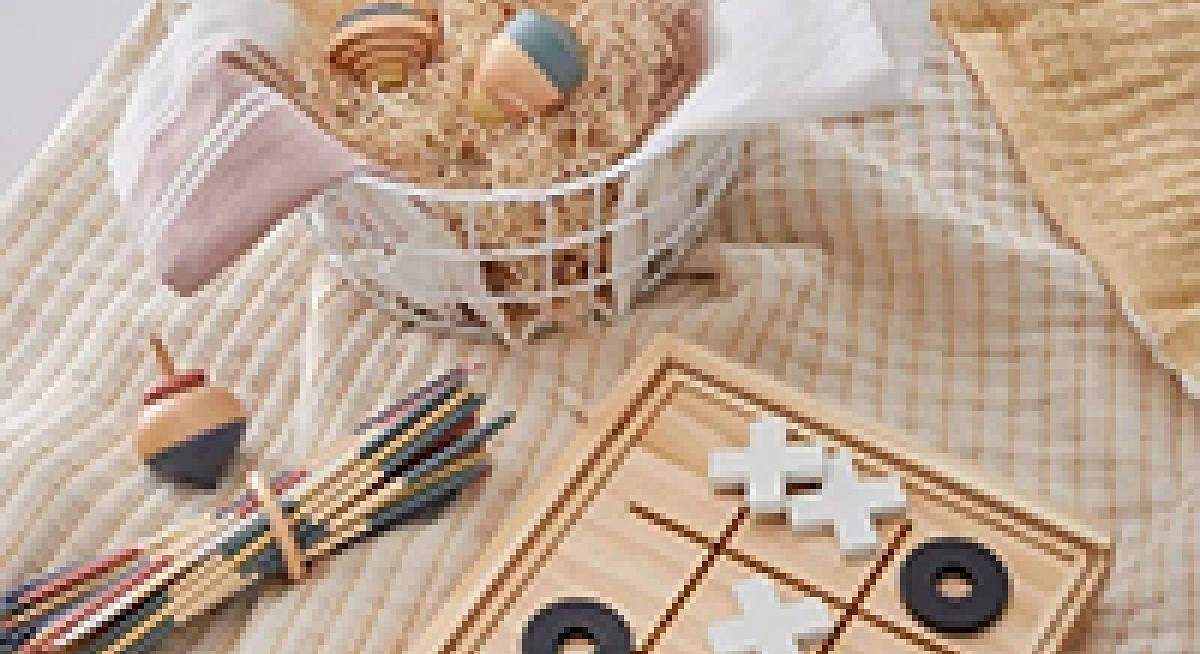
How to Run a Fair Comparison: The Supplier Scorecard
Convert the ten factors into weighted scores so your team compares wooden toy suppliers China on evidence instead of impressions.
| Factor | Weight | Evidence to Score Against |
|---|---|---|
| Quality system and compliance | 25% | Test reports, AQL data, audit results |
| Material specifications | 15% | Written material bill, FSC documentation |
| Lead time and capacity | 15% | Utilization data, historical on-time rate |
| Communication and engineering | 15% | Response logs, DFM feedback quality |
| Total landed cost | 15% | Full cost model, not unit price |
| MOQ and payment terms | 10% | Per-SKU and per-order minimums |
| OEM, ODM and packaging | 5% | Sample packaging, tooling capability |
Score each candidate from 1 to 5 using verifiable evidence only. Any supplier scoring below 3 on compliance or lead time should leave the shortlist regardless of price — those two failures are the ones that end retail relationships.
Red Flags That Should End the Conversation
- The address does not match reality. A business license registered to an office tower, with production "elsewhere", means you are talking to a trader.
- "Any certificate you need." If a supplier offers to supply whatever certificate your market requires, they are selling documents, not compliance.
- Quotes without material specifications. You cannot compare what is not written down.
- Refusal of third-party inspection. No credible factory fears SGS, TÜV or Bureau Veritas walking the line.
- Price renegotiation after sample approval. "Material prices went up" is a margin tactic, not a market event.
- No export experience in your market. A supplier who has never shipped into Germany has never managed an EN 71 audit trail.
What a Well-Qualified Supplier Profile Looks Like
Benchmark your shortlist against a concrete reference. Forestoy has spent more than 20 years on one specialization — wooden toys and children's furniture — for over 100 international brands across 40-plus export markets. Measured against the scorecard above, the profile reads like this:
- In-house design and development, with OEM briefs handled from sketch through pre-production sample and DFM feedback at every stage.
- Documented compliance workflow: EN 71, ASTM F963, ISO 8124 and CPSIA testing through accredited laboratories, supported by an ISO-aligned quality management system.
- Flexible MOQ for custom and private-label programs, with standard 30 percent deposit and balance against shipping documents.
- Verified material sourcing: FSC-certified timber inputs, water-based finishes and recyclable packaging offered as standard options rather than upgrades.
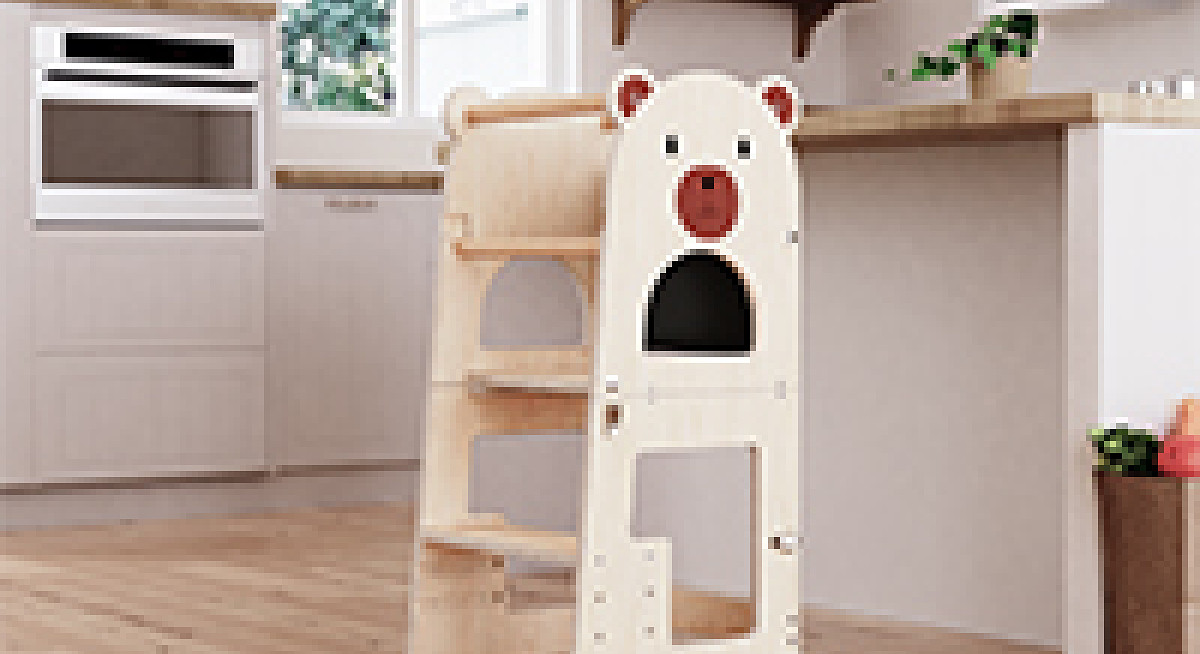
- Category depth across wooden educational toys, games, pretend play, outdoor play, learning towers and kids furniture — so a single supplier can carry an entire retail assortment.
Related Reading for Your Supplier Evaluation
If you are still narrowing the field, these guides cover the adjacent decisions in more depth: how to choose a reliable wooden toy manufacturer in China, the 10 questions to ask before choosing a supplier, whether a China wooden toy supplier or a direct factory suits your order profile, the full wooden toy wholesale guide to MOQ, pricing and quality, a step-by-step walkthrough of how to source wooden toys from China, and the wooden toy factory quality and safety checklist.
Put Forestoy on Your Shortlist — and Make Us Earn It
Comparing wooden toy suppliers China takes weeks of document chasing. We can shorten that to days. Send your product list, target prices, packaging requirements and annual volume estimate, and the Forestoy team will return a comparison-ready quotation with full material specifications, physical samples of comparable production items, our current factory audit report alongside certificates and test documentation, and a production schedule matched to your delivery window.
Start with a sample request or ask for the factory credentials package through our OEM and ODM wooden toy solutions team, or request a factory audit report, certificates and free samples. Our engineering team responds within one business day — and we will tell you honestly if your project is not a fit for our lines.
Sources and references: Statista, global toys and games market revenue data; EU Safety Gate (RAPEX) annual alert statistics and product category breakdowns; EN 71-1, EN 71-2 and EN 71-3 (CEN); ASTM F963 toy safety specification; ISO 8124 series; CPSIA (US Consumer Product Safety Improvement Act); ISO 9001 quality management standard; FSC and PEFC chain-of-custody certification schemes; EU Regulation on Deforestation-free Products (EUDR); ICTI Ethical Toy Program; ISTA 3A packaging performance testing; AQL 2.5 inspection standard.