How to Choose a Reliable Wooden Toy Supplier for Early Childhood Education Programs
- Share
- publisher
- Forestoy
- Issue Time
- May 28,2026
Summary
Discover how to choose a reliable wooden toy supplier for early childhood education programs. Learn key selection criteria, certifications, OEM/ODM capabilities, and why Forestoy is a trusted partner for sustainable educational wooden toys.
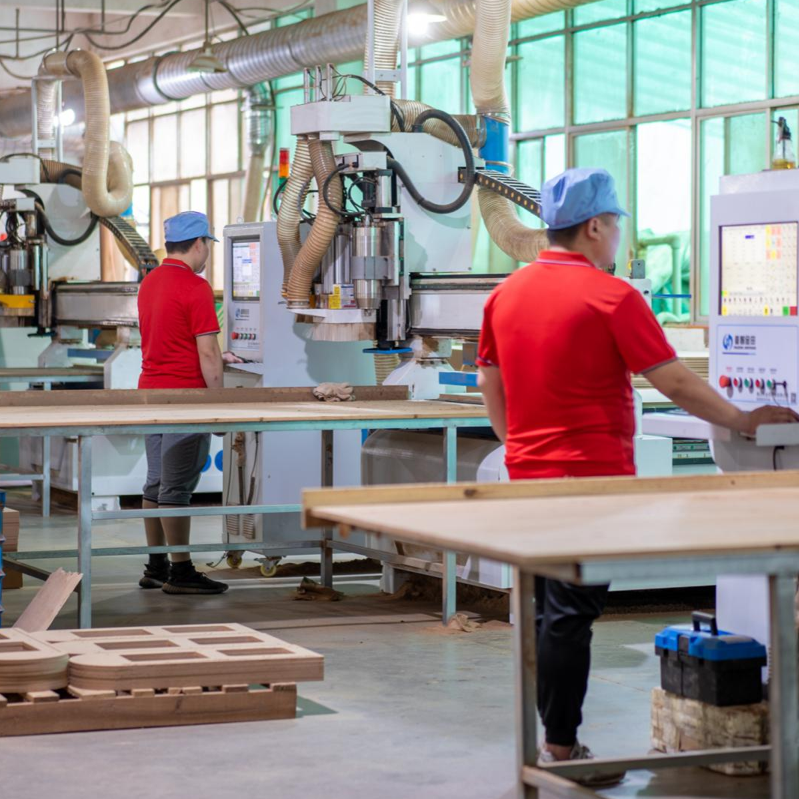
Early childhood education is one of the most important stages in a child's development. At this stage, learning is deeply influenced by hands-on experiences, sensory exploration, and interactive play. Wooden toys have become a preferred choice for preschools, Montessori institutions, and educational programs worldwide due to their durability, safety, and educational value. However, the effectiveness of these toys does not depend only on design — it heavily depends on the supplier behind them. Choosing the right wooden toy supplier for early childhood education programs ensures: In this article, we will explore how to evaluate and select the right supplier, what key factors matter, and why experienced manufacturers like Forestoy are trusted globally. A professional wooden toy supplier is more than just a manufacturer. They are an educational partner that supports learning development through thoughtfully designed products. Selecting a supplier is a strategic decision. Below are the most important criteria. Safety is the top priority in early childhood education. A reliable supplier must comply with EN71 (European Toy Safety Standard), ASTM F963 (US Toy Safety Standard), CPSIA, and REACH chemical safety regulations. With over 20 years of experience serving leading wooden toy brands in Europe and North America, Forestoy has developed an in-depth understanding of detailed safety standards across international markets — from design and raw materials to manufacturing and safe packaging, with rigorous testing before mass production. High-quality wooden toys should be made from natural wood (beech, pine, rubberwood), non-toxic water-based paints, and smooth splinter-free finishes. Eco-friendly suppliers support responsible forestry, low-carbon manufacturing, and recyclable packaging. Forestoy prioritizes natural wood from sustainably managed forests, uses advanced surface-sanding machinery for smooth safe finishes, and maximizes recyclable paper-based packaging. For schools, distributors, and brands, customization is essential: OEM, ODM, private label branding, and curriculum-based toy development — allowing institutions to align toys with teaching methods and build their own product lines. Forestoy provides OEM services for renowned toy and animation brands, ODM solutions for major retail chains, and curriculum-integrated customized toys for educational institutions across Europe, North America, and Southeast Asia. Educational programs often require bulk and repeat orders. A reliable supplier should have stable production capacity, on-time delivery performance, scalable manufacturing lines, and efficient logistics support — delays can directly affect classroom operations. Suppliers with education industry experience understand age-specific safety requirements, classroom durability needs, curriculum integration, and institutional procurement processes. Forestoy has extensive experience supplying early learning centers, Montessori schools, and international distributors — including government bidding projects. Many buyers make costly mistakes when selecting suppliers. Avoid these four: Low-cost suppliers often compromise safety standards, material quality, and durability. Without proper certification, toys may fail compliance tests in export markets. Standard toys may not fit educational program requirements. Long-term cooperation requires responsive supplier communication. Forestoy has established itself as a professional manufacturer specializing in educational wooden toys. Advanced woodworking production facilities, a skilled craftsmanship team, and a strict quality inspection process. Toys designed specifically for early childhood cognitive growth, Montessori learning systems, and interactive classroom environments. All products follow EN71, ASTM, and CPSIA standards for international markets. Build private label toy brands, develop exclusive educational sets, and customize packaging and design. The demand for wooden educational toys continues to grow globally due to: Schools are actively replacing plastic toys with eco-friendly alternatives. Hands-on learning tools are becoming central in early education. Parents increasingly prefer non-toxic, natural toys. Education providers seek stable long-term manufacturing partners. Choosing the right wooden toy supplier for early childhood education programs is not just a procurement decision — it is an investment in children's learning and development. The ideal supplier should provide certified safety compliance, high-quality sustainable materials, strong educational design expertise, OEM/ODM customization capabilities, and reliable production and delivery. With its expertise in educational wooden toys, Forestoy stands as a trusted partner for schools, distributors, and educational brands worldwide.How to Choose a Reliable Wooden Toy Supplier for Early Childhood Education Programs
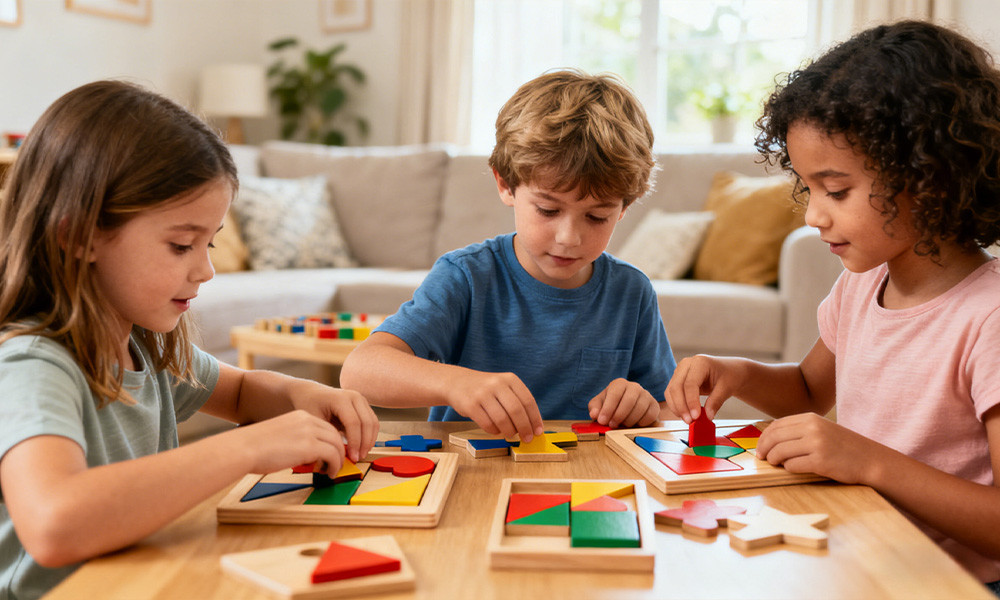
Understanding the Role of Wooden Toy Suppliers in Early Education
Key Factors to Consider When Choosing a Wooden Toy Supplier
Safety Certifications and Compliance Standards
Material Quality and Sustainability
OEM & ODM Customization Capabilities
Production Capacity and Delivery Reliability
Experience in Early Childhood Education Markets
Common Mistakes When Choosing Wooden Toy Suppliers
Mistake 1 – Choosing Based Only on Price
Mistake 2 – Ignoring Certifications
Mistake 3 – Lack of Customization Options
Mistake 4 – Poor Communication and After-Sales Support
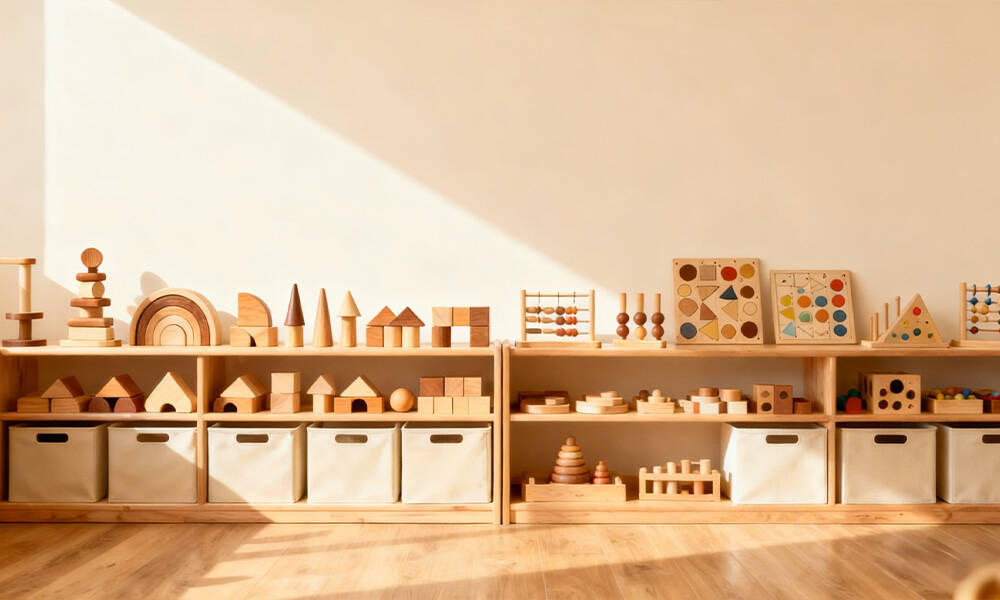
Why Forestoy Is a Trusted Custom Wooden Toy Supplier for Early Childhood Education
Strong Manufacturing Expertise
Education-Focused Product Development
Global Compliance and Safety Assurance
OEM/ODM and Branding Support
The Future of Wooden Toys in Early Childhood Education
Shift Toward Sustainable Education
Montessori and STEM Learning Expansion
Parental Preference for Safe Materials
Institutional Demand for Long-Term Suppliers
Conclusion