Eco-Friendly Wooden Toys Manufacturer: How Sustainable Materials Add B2B Brand Value
- Share
- publisher
- Forestoy
- Issue Time
- Oct 29,2026
Summary
How sustainable materials add measurable B2B brand value: wooden toy market data, FSC chain-of-custody, water-based finishes, recyclable packaging, ISO 14001/45001 production systems, a 5-question greenwashing filter, and Forestoy's FSC C131173 certified, solar-powered manufacturing approach for OEM and private-label brands.
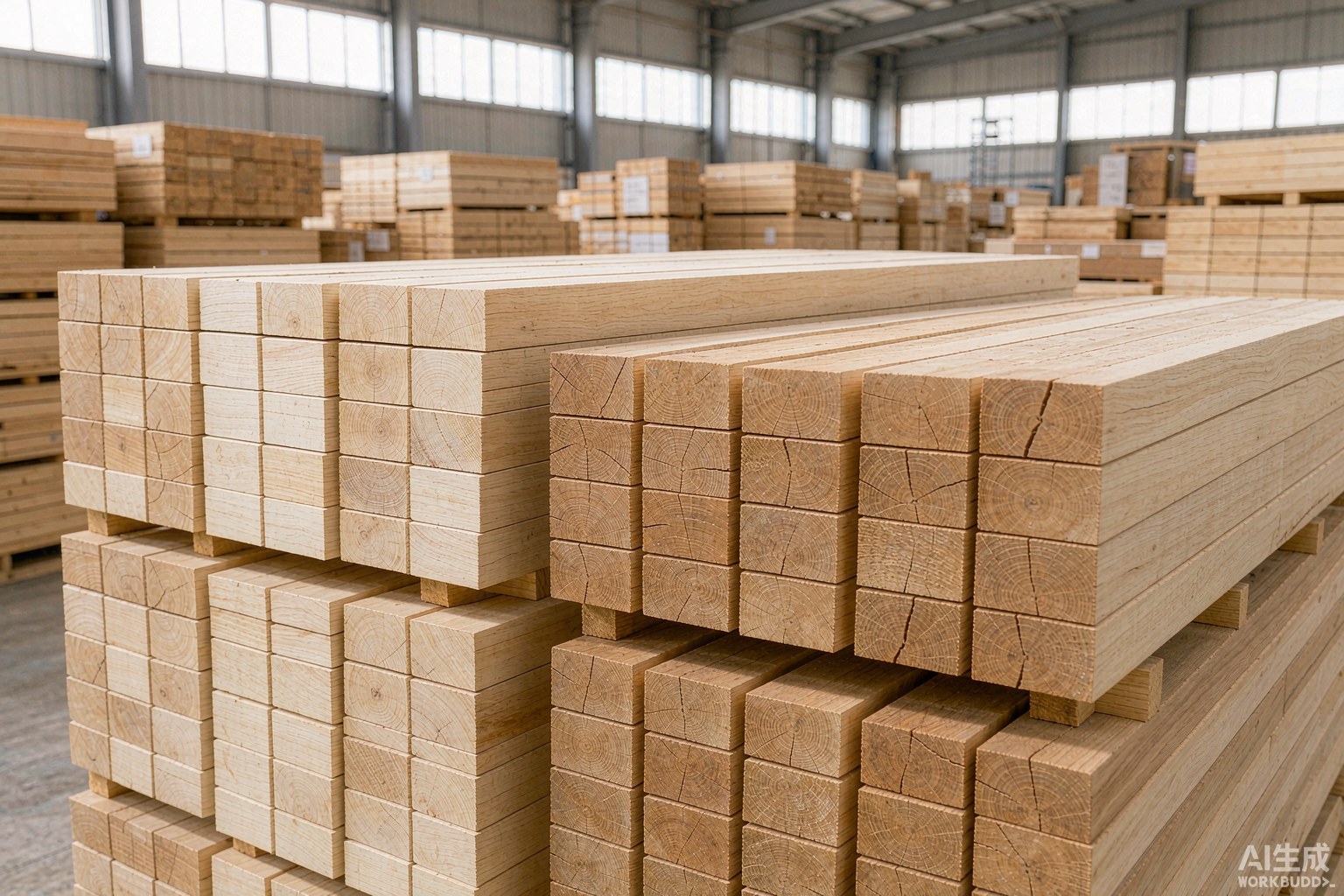
For toy brands, retailers and distributors, sustainability is no longer a "nice-to-have" marketing line — it has become a purchasing criterion, a compliance requirement and, increasingly, a profit driver. As an eco-friendly wooden toys manufacturer with more than two decades of production experience, Forestoy has watched the market shift from "green products sell better" anecdotes to hard procurement data. This guide explains what actually makes a wooden toy sustainable, which certifications matter to B2B buyers, and how responsible material choices translate into measurable brand value for your business.
Why Sustainability Matters in the Wooden Toy Market
The numbers speak for themselves. According to Grand View Research, the global wooden toys market was valued at USD 26.2 billion in 2023 and is projected to reach USD 35.56 billion by 2030, growing at a CAGR of 4.5% — with Europe identified as the fastest-growing region precisely because of consumer preference for eco-friendly alternatives to plastic. The Business Research Company forecasts the market even higher, reaching USD 38.17 billion by 2030 at a 5.8% CAGR, citing the increasing focus on sustainable parenting products as a primary growth driver.
Consumer-side data reinforces the trend. A widely cited McKinsey & Company US consumer sentiment survey found that more than 60% of consumers are willing to pay more for products with sustainable attributes, and a joint McKinsey–NielsenIQ analysis showed that products carrying ESG-related claims grew 28% between 2017 and 2022, versus 20% for products without such claims. Capital markets have voted the same way: in January 2024, Spin Master acquired wooden-toy icon Melissa & Doug for USD 950 million, and in June 2024 Fisher-Price launched its premium "Wood" collection made from FSC-certified wood.
For a B2B buyer, the implication is direct: partnering with a sustainable wooden toys manufacturer is not an environmental gesture — it is a positioning decision that affects shelf appeal, retail partnerships, regulatory readiness and long-term margin.
What Makes a Wooden Toy More Sustainable?
"Eco-friendly" is easy to claim and hard to verify. Professional buyers should evaluate a wooden toy across four material and process dimensions.
1. Responsible Wood Sourcing
The single most important factor is where the wood comes from. An FSC certified wooden toy manufacturer sources raw material from forests audited against the Forest Stewardship Council's standards for responsible management, biodiversity protection and community rights. For EU markets, this also supports due-diligence expectations under the EU Timber Regulation (EUTR) and the emerging EUDR framework. Ask any potential supplier one simple question: can you provide the FSC chain-of-custody certificate number for the wood in my order? If the answer is vague, keep looking.
2. Water-Based and Safer Finishes
Paints, inks and adhesives are where many "wooden" toys quietly fail sustainability tests. A qualified eco-friendly wooden toys manufacturer uses water-based, low-VOC paints and non-toxic finishes tested to EN 71-3 (migration of certain elements) and ASTM F963, plus formaldehyde-controlled adhesives. At Forestoy, every paint batch is sampled for third-party verification before bulk production — a process detail covered on our toy safety and quality control page.
3. Recyclable and Plastic-Reduced Packaging
Packaging is the part of the product consumers touch first — and the part retailers increasingly regulate. Kraft boxes, soy-based inks, molded pulp inserts and plastic-free window films are now standard requests from European retail chains. Since more than 60% of consumers say packaging sustainability alone influences their willingness to pay more, packaging is one of the highest-ROI sustainability upgrades a brand can make. Forestoy simplifies packaging structures and minimizes plastic use while keeping volume at the most reasonable size to reduce shipping and packaging costs.
4. Production and Waste Management
True sustainability extends to the factory floor: wood-waste recycling (offcuts become smaller components or biomass), energy-efficient equipment, and an environmental management system such as ISO 14001 alongside ISO 9001 quality management. When you audit a supplier, ask to see the waste-stream documentation, not just the certificates on the wall.
FSC and Other Responsible Material Certifications That Matter to B2B Buyers
For procurement teams building supplier scorecards, these are the credentials that carry weight:
| Certification / Standard | What It Verifies | Why Buyers Care |
|---|---|---|
| FSC Chain of Custody | Wood traced to responsibly managed forests | Retailer mandates in the EU and US, EUDR due diligence, credible green claims |
| EN 71 (Parts 1–3) | Mechanical, flammability and chemical safety | Mandatory for CE marking in the EU |
| ASTM F963 / CPSIA | US toy safety and lead/phthalate limits | Mandatory for US market entry |
| ISO 14001 / ISO 45001 | Environmental and occupational health & safety management | Required by many retail vendor programs; proof of process discipline |
| Prop 65 screening | California chemical exposure limits | Prevents costly US retail compliance issues |
A credible sustainable wooden toy supplier will happily share current, third-party-issued certificates — and will let you verify them directly with the issuing body.
How to Evaluate an Eco-Friendly Wooden Toys Manufacturer: 5 Questions That Filter Out Greenwashing
Before committing to a supplier, put these five questions in writing:
- "Is your FSC chain-of-custody certificate active, and which product lines does it cover?" Certificate scope matters as much as existence.
- "Can you supply EN 71-3 and ASTM F963 test reports for the exact paint colors in my design?" Not a generic report from another product.
- "What percentage of your wood waste is recycled or repurposed?" A factory with a real answer has a real process.
- "Do you offer plastic-reduced and kraft packaging as standard options?" If packaging sustainability is an afterthought, the eco story ends at your shelf.
- "Can we visit the factory or commission a third-party audit (SGS, TÜV, Bureau Veritas)?" Transparency is the ultimate test.
Greenwashing risks cut both ways: retailers that stock products with unverifiable eco-claims face consumer backlash and, in the EU, legal exposure under green-claims rules. Verifiable material documentation is now part of brand risk management — not just marketing.
Sustainable OEM and Private-Label Wooden Toys: Building Brand Value Into the Product Line
Sustainability is easiest to engineer in at the design stage — not retrofitted after tooling. During custom wooden toy design and development, decisions like part geometry (to minimize offcut waste), wood species selection (fast-renewing rubberwood versus slower hardwoods), single-material construction (for easier end-of-life recycling) and water-based finish specification are all made on the drawing board.
For brands planning a full range, the practical route is a phased OEM program: start with two or three hero SKUs built on proven platforms, then extend. If you are weighing development models, our comparison of OEM wooden toys development in China walks through cost, MOQ and lead-time trade-offs, and brands building a complete range can follow our private-label wooden toys guide. Sustainability positioning also pairs naturally with educational categories — see our range of sustainable educational wooden toys and Montessori wooden learning towers, where material quality is part of the pedagogy itself, or read our deep-dive for educational wooden toy brands.
Forestoy's Approach to Eco-Friendly Wooden Toy Manufacturing
Forestoy has spent more than 20 years on a single specialization: wooden toys and children's furniture, produced for over 100 renowned global brands across 40+ exporting countries. Our sustainability commitments are structural, not cosmetic:
- FSC™ chain-of-custody certification (C131173) covering certified material sourcing, with all raw materials coming from sustainable, renewable forests;
- ISO 14001 environmental management and ISO 45001 occupational health & safety systems, re-certified annually by third-party auditors;
- Solar photovoltaic power generation on site, plus systematic recycling of waste materials and wastewater in production;
- Active participation in local reforestation, because the long-term supply of sustainable forest is the foundation of the entire category;
- Water-based, child-safe finishes verified through in-house testing plus third-party laboratories against EN 71, ASTM F963 and CPSIA;
- Integrated design-to-production workflow — you can review our sustainable material sourcing practices and the full scope of our wooden toy manufacturing capacity and quality systems;
- Flexible MOQ for customized orders, so emerging sustainable brands are not forced into overproduction — overproduction is itself a sustainability failure.
For buyers specifically targeting the early-learning segment, our guide to choosing a Montessori wooden toys manufacturer in China explains how natural materials and open-ended design reinforce both educational value and brand premium. Buyers planning a wider assortment can also review our export overview for wooden toys made in China.
Build a Sustainable Wooden Toy Collection With Verifiable Materials
If your brand, retail chain or distribution business is qualifying an eco-friendly wooden toys manufacturer for the coming production season, go beyond the brochure. The Forestoy B2B team can provide a factory audit report and production capacity dossier, the current FSC and EN 71 / ASTM F963 certification package, our product catalog with sustainable packaging options, and samples of eco-finished wooden toys so you can evaluate water-based finishes and kraft packaging firsthand.
Send your product brief, drawings or reference list through our OEM and ODM wooden toy solutions team, or request a factory audit report and product manual — our engineering team responds within one business day.
Sources & References: Grand View Research, Wooden Toys Market Report 2024–2030; The Business Research Company, Wooden Toys Global Market Report 2026; McKinsey & Company, US Consumer Sentiment Survey on Sustainable Packaging; McKinsey & NielsenIQ joint ESG purchase-behavior analysis; company announcements: Spin Master–Melissa & Doug acquisition (January 2024), Mattel Fisher-Price Wood collection (June 2024). Standards referenced: EN 71-1/2/3, ASTM F963, CPSIA, FSC Chain-of-Custody, ISO 9001, ISO 14001, ISO 45001.